
Introduction
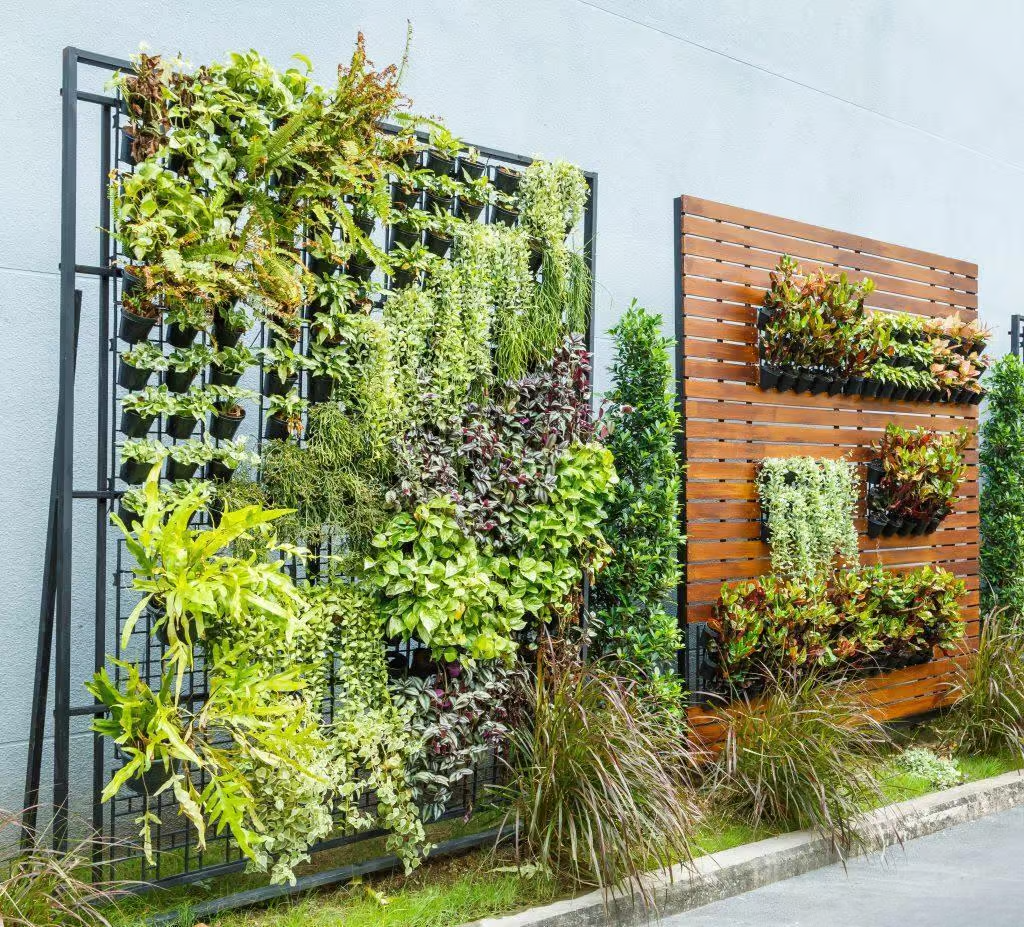
Urbanization is reshaping how people live, often reducing outdoor space and limiting opportunities for traditional gardening. Yet, the rising demand for fresh, healthy, and homegrown food, as well as the desire for greener environments, has led to innovative solutions like vertical gardens. Vertical gardening involves growing plants upward on walls, fences, shelves, or specially designed structures, making it a perfect fit for balconies, rooftops, courtyards, and compact apartments.
This article explores creative vertical garden designs that maximize space efficiency, enhance aesthetics, and support sustainability in small urban settings.
1. The Concept of Vertical Gardening
Vertical gardening refers to cultivating plants vertically rather than horizontally, using vertical structures or supports. This method transforms underutilized walls, corners, and fences into productive green areas. It not only saves space but also improves air quality, reduces urban heat, and brings nature closer to urban dwellers.
2. Benefits of Vertical Gardens in Small Urban Spaces
- Space efficiency: Makes use of walls, balconies, or unused corners.
- Aesthetic appeal: Adds natural beauty and greenery to urban environments.
- Health and well-being: Improves air quality and creates calming, stress-relieving surroundings.
- Food security: Provides access to fresh herbs, vegetables, and fruits.
- Thermal insulation: Vertical greenery can reduce indoor temperatures and energy use.
- Noise reduction: Green walls act as natural sound barriers.
3. Popular Vertical Garden Designs
a. Wall-Mounted Planters
- Uses wall-mounted racks, pockets, or containers fixed to walls.
- Can be designed with wooden frames, metal grids, or fabric pockets.
- Best for herbs, small flowers, or leafy greens.
- Ideal for balconies or small apartment walls.
b. Hanging Gardens
- Employs hanging pots, baskets, or recycled bottles suspended from ceilings, railings, or shelves.
- Plants cascade downward, creating a lush, layered effect.
- Works well for trailing plants like ivy, ferns, or strawberries.
c. Tower Gardens
- Vertical towers made from PVC pipes, plastic drums, or modular kits with holes for planting.
- Can be hydroponic or soil-based.
- Highly productive for leafy vegetables, herbs, and small fruits.
- Suitable for rooftops and compact backyards.
d. Shelf and Ladder Gardens
- Uses stacked shelves, ladders, or tiered stands to grow plants at different heights.
- Simple, affordable, and easy to customize.
- Great for container plants, spices, and decorative flowers.
e. Trellis and Climbing Designs
- Vertical trellises, wires, or mesh panels allow climbing plants to grow upward.
- Ideal for beans, cucumbers, tomatoes, or flowering vines.
- Doubles as a privacy screen or balcony shade.
f. Pallet Gardens
- Repurposed wooden pallets converted into vertical planters.
- Affordable and sustainable, as they reuse discarded materials.
- Can hold herbs, succulents, or decorative plants.
g. Modular Green Walls
- Advanced designs using modular panels that can be fitted onto walls.
- Often incorporate irrigation systems for easier maintenance.
- Popular for office buildings, restaurants, and modern homes.
4. Materials for Building Affordable Vertical Gardens
- Recycled bottles and cans – cost-effective and eco-friendly.
- Plastic buckets or paint containers – durable for edible plants.
- Bamboo and wood frames – natural and sustainable.
- Metal grills and mesh – sturdy for climbing plants.
- Fabric grow bags or old sacks – lightweight and portable.
5. Plant Choices for Vertical Gardens
Edible plants
- Herbs: Basil, mint, parsley, thyme.
- Leafy greens: Lettuce, spinach, kale, amaranth.
- Vegetables: Tomatoes, peppers, cucumbers (on trellises).
- Fruits: Strawberries, dwarf citrus varieties.
Ornamental plants
- Trailing plants: Ivy, pothos, spider plants.
- Flowers: Petunias, marigolds, bougainvillea.
- Succulents: Aloe vera, jade plants, echeveria.
6. Irrigation and Maintenance Tips
- Drip irrigation or self-watering systems conserve water.
- Regular pruning keeps plants healthy and prevents overcrowding.
- Fertilizer supplementation ensures nutrients are adequate in limited soil.
- Rotation of crops reduces pests and soil fatigue.
- Use of lightweight soil mixes prevents stress on vertical structures.
7. Challenges and Solutions
- Water leakage: Line containers properly and use drip irrigation.
- Weight concerns: Use lightweight materials and soil substitutes like coco peat.
- Limited sunlight: Position gardens on south-facing balconies or rooftops; supplement with grow lights if needed.
- High maintenance: Opt for hardy plants and automated watering systems to reduce workload.
Conclusion
Vertical gardening is more than just a trend—it is a practical, sustainable, and transformative approach to gardening in small urban spaces. From wall-mounted planters to hydroponic towers, there are multiple affordable designs suitable for households, offices, and community spaces. Beyond beautifying homes, vertical gardens empower urban dwellers with fresh food, improved air quality, and a closer connection to nature.
For cities like Lagos, Nairobi, or Johannesburg, where space is limited but the demand for green living is rising, vertical gardening represents the future of urban agriculture and eco-living.