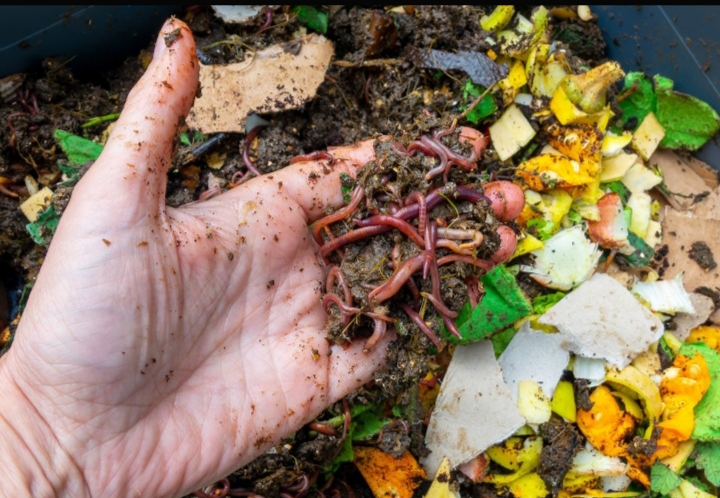
Imagine turning your kitchen scraps vegetable peels, coffee grounds, and eggshells into a nutrient-rich treasure that makes your plants flourish.Welcome to the world of vermicomposting, a natural, eco-friendly process where tiny worms transform waste into “black gold” for your garden.
What is Vermicomposting?Vermicomposting is the process of using earthworms to break down organic waste. Unlike traditional composting, which relies mostly on microorganisms, vermicomposting leverages worms’ digestive powers to produce vermicast, a humus-like substance rich in nutrients, enzymes, and beneficial microbes. This “worm castings” soil is not just fertilizer; it’s a living ecosystem that improves soil structure, water retention, and plant health.
Why Vermicomposting at Home?
1.Reduce Waste :Kitchens produce tons of organic waste. Instead of sending it to landfills, you can recycle it into a valuable resource.
2.Eco-Friendly Fertilizer:Vermicast enriches soil naturally, reducing the need for chemical fertilizers.
3.Healthier Plants : Worm castings contain essential nutrients like nitrogen, phosphorus, and potassium, promoting stronger growth.
To run a vermicomposting in your kitchen here are lists of basic things you need:
1.Container: A plastic or wooden bin with drainage holes.
2.Bedding: Shredded newspaper, cardboard, or coconut coir for worms to live in.
3.Worms: The superstar is the red wiggler worm (Eisenia fetida), ideal for breaking down kitchen scraps.
4.Kitchen Waste: Fruit and vegetable peels, coffee grounds, tea bags, crushed eggshells. Avoid meat, dairy, and oily foods.
How to Feed Your Worms
1.Chop food scraps into small pieces to help worms digest faster.
2.Bury scraps under the bedding to prevent odors.
3.Feed gradually and monitor how quickly worms consume the material.
4.Worms prefer a moist, dark, and well-aerated environment, so keep the bin damp but not soggy.
Harvesting Your “Gold”
In about 2–3 months, your worms will have transformed waste into dark, crumbly vermicast. Remove the castings and use them in your garden, pots, or even as a top dressing for lawns. Your plants will thank you with vibrant foliage, bigger blooms, and higher yields.
Tips for Successful harvest
1.Avoid overfeeding: Worms can only eat so much at a time.
2.Maintain temperature: Keep the bin between 15–25°C (59–77°F) for optimal worm activity.
3.Keep it ventilated: Proper airflow prevents bad odors.
It’s a step toward sustainability, reducing landfill waste, minimizing greenhouse gas emissions, and creating a mini-ecosystem in your home. In essence, by feeding worms your scraps, you’re closing the loop of nature right in your kitchen.So, the next time you peel a carrot or brew a cup of coffee, think twice before tossing the waste. With a little patience and some wriggly friends, you can turn your kitchen scraps into literal gold for your garden.