
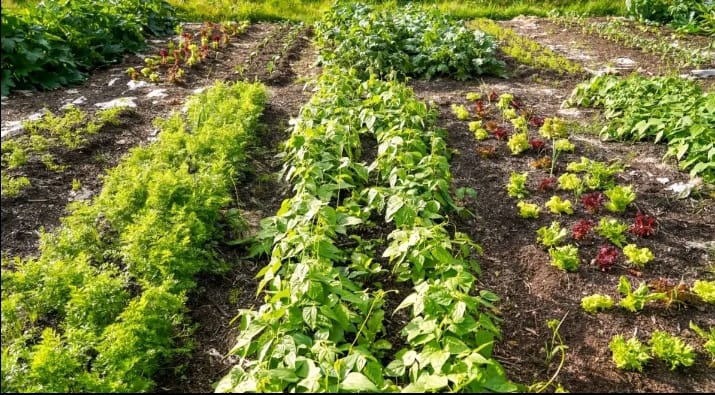
Organic agriculture already avoids synthetic chemicals and supports ecological balance. However, incorporating permaculture principles can strengthen sustainability and long-term productivity even further. Permaculture is a design approach that models farming systems on natural ecosystems, aiming to create self-sufficient, resilient, and efficient agricultural environments. By applying these principles, organic farmers can improve resource management, enhance soil health, and build farms that thrive over time.
- Careful Observation and Planning
A core idea in permaculture is to observe the land before making changes. Farmers should study natural patterns such as sunlight exposure, wind movement, soil conditions, drainage, and local wildlife. By understanding these elements, farmers can design systems that cooperate with natural processes rather than disrupt them.
- Prioritizing Soil Health
Fertile soil is the backbone of successful organic farming. Permaculture promotes building soil quality through composting, mulching, planting cover crops, and reducing excessive tillage. These methods improve soil structure, retain moisture, and encourage beneficial microorganisms, leading to healthier crops and better yields.
- Encouraging Biodiversity
Instead of relying on single-crop systems, permaculture supports growing a variety of crops together. Diverse planting systems, such as intercropping and companion planting, strengthen resilience against pests and diseases. Biodiversity also improves nutrient cycling and stabilizes production.
- Managing Water Wisely
Efficient water use is essential for sustainable farming. Permaculture suggests collecting rainwater, shaping land to slow water runoff, and using efficient irrigation techniques like drip systems. Choosing crops suited to local climate conditions also reduces water demand and enhances farm resilience during dry periods.
- Integrating Livestock Thoughtfully
Animals can contribute positively to organic farms when integrated properly. Livestock provide natural fertilizer, assist with weed and pest control, and contribute to a balanced nutrient cycle. When crops and animals support one another, farms become more self-sustaining.
- Minimizing Waste
Permaculture aims to turn waste into useful resources. Crop leftovers can be composted, organic waste can feed animals, and natural materials can be reused for mulching. Designing systems that recycle nutrients reduces reliance on external inputs and lowers production costs.
- Using Renewable Resources
Organic farmers can strengthen sustainability by depending more on renewable resources such as solar energy, locally saved seeds, and natural fertilizers. Reducing dependence on nonrenewable inputs makes farming more environmentally responsible and economically stable.
- Expanding Gradually
Permaculture encourages starting with manageable projects and gradually expanding. Testing new practices on a small scale allows farmers to evaluate results, learn from experience, and minimize risk before applying changes more broadly.
- Building Community Connections
Sharing knowledge, labor, and resources with other farmers and community members strengthens local agriculture. Collaboration fosters innovation, reduces challenges, and creates a supportive network that benefits everyone involved.
However, applying permaculture principles to organic farming enhances sustainability, resilience, and efficiency. By focusing on soil health, biodiversity, resource conservation, and thoughtful system design, farmers can create productive agricultural systems that support both the environment and future generations.