
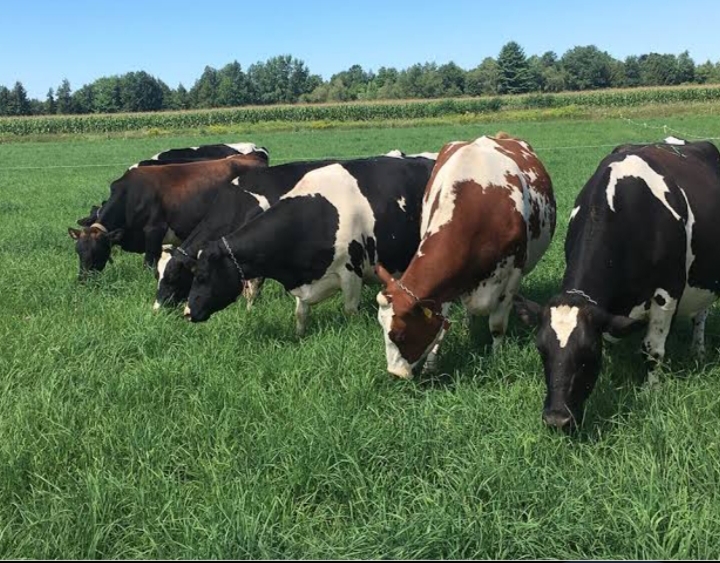
In many modern agricultural systems, crop production and livestock farming operate separately vast monoculture fields in one region and intensive animal operations in another. While this specialization can boost short term efficiency, it often disrupts natural nutrient cycles and increases environmental pressures. Crop livestock integration (CLI) reconnects these two components, creating a more balanced and regenerative farming model.
By combining plant and animal enterprises on the same farm, producers can improve soil quality, cut input costs, diversify revenue streams, and enhance overall resilience.
- Natural Nutrient Cycling
A major strength of integrated systems is the recycling of nutrients. Livestock feed on crop residues and forage, then return valuable nutrients to the soil through manure.
This cycle:
Restores essential nutrients such as nitrogen and phosphorus
Builds soil organic matter
Stimulates microbial activity
Lowers reliance on synthetic fertilizers
Rather than treating manure as waste, integrated systems transform it into a key resource for soil fertility.
- Stronger Soil Structure and Health
When livestock are managed through controlled or rotational grazing, they stimulate plant regrowth and root development. Their movement can help incorporate plant material into the soil surface, accelerating decomposition and enriching soil organic content.
Farmers like Joel Salatin have demonstrated how planned grazing can revitalize both pasture and cropland ecosystems.
Improved soil health contributes to:
- Greater water infiltration
- Reduced erosion
- Enhanced drought tolerance
- Increased carbon storage
- Productive Use of Crop Residues and Cover Crops
Post harvest residues such as stalks and straw often remain unused in conventional systems. In integrated operations, livestock convert this leftover biomass into valuable products like meat or milk while simultaneously fertilizing the soil.
Cover crops, typically planted to protect and enrich soil, can also serve as livestock feed. Grazing these crops adds economic return to an already beneficial soil-building practice.
- Economic Diversification
Relying on a single agricultural enterprise can expose farmers to market volatility and climate risks. Integrated systems spread that risk across both crops and livestock.
If crop yields decline due to unfavorable weather or low prices, livestock production may provide stability and vice versa. This diversity strengthens financial sustainability over time.
- Reduced Environmental Footprint
When crop and livestock operations are geographically separated, nutrients often accumulate in livestock dense areas while crop regions depend heavily on imported fertilizers. Integration balances nutrient flows within the same farm.
Environmental advantages include:
- Lower transportation of feed and fertilizers
- Decreased greenhouse gas emissions
- Reduced nutrient runoff
- More efficient resource use
In essence, integrated farms function more like natural ecosystems, where outputs from one component serve as inputs for another.
- Weed and Pest Suppression
Livestock can contribute to ecological pest and weed management. Grazing animals help control unwanted plant growth and can interrupt pest and disease cycles.
For instance, poultry rotated behind cattle can spread manure evenly and reduce insect populations, creating mutually beneficial interactions between species.
- Increased Climate Adaptability
With climate change intensifying weather variability, farming systems must become more resilient. Integrated farms are often better equipped to adapt because they incorporate multiple enterprises and diverse land uses.
Improved soil organic matter enhances both moisture retention during drought and drainage during heavy rainfall, helping buffer against extreme conditions.
- Support for Rural Communities
Integrated systems may require more management and labor than specialized monocultures, potentially generating local employment opportunities. By producing feed and recycling nutrients on site, these farms also keep economic activity within rural communities.
Considerations for Implementation
Adopting crop livestock integration demands planning and investment. Farmers must coordinate grazing schedules with planting cycles, establish fencing and water systems, and maintain strong animal health management practices.
Although transitioning can be challenging, the long-term benefits healthier soils, diversified income, and ecological sustainability often justify the effort.
Reuniting Plants and Animals in Agriculture
Historically, farms commonly combined crops and livestock in interconnected systems. Over time, industrial agriculture separated them for specialization and scale. Today, growing concerns about soil degradation, climate change, and economic uncertainty are prompting renewed interest in integration.
By restoring the natural link between plants and animals, crop livestock integration creates productive, resilient, and environmentally sound farming systems built on biological synergy rather than separation.