
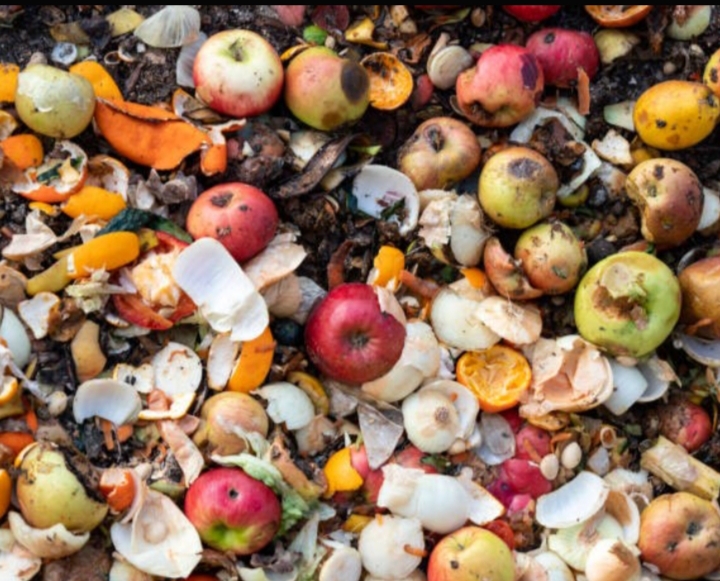
Post-harvest losses are a major issue in tropical agriculture, impacting food security, farmer earnings, and overall economic growth. In tropical regions, high temperatures, humidity, and limited infrastructure make crops more vulnerable after harvest, making strategies to reduce losses crucial for ensuring that produce reaches consumers in good condition.
What Are Post-Harvest Losses?
Post-harvest losses refer to the reduction in quantity or quality of crops between harvesting and consumption. These losses can occur during harvesting, storage, processing, transport, or marketing. In tropical agriculture, losses can be significant, often ranging from 20% to 40% for perishable crops such as fruits, vegetables, and root crops.
Key Causes of Post-Harvest Losses
1. Improper Harvesting
Harvesting at the wrong time or using unsuitable tools can damage crops, reduce shelf life, and lower their market value.
2. Poor Storage Conditions
High heat and humidity in tropical climates accelerate spoilage. Lack of proper storage facilities, such as ventilated warehouses, refrigeration, or drying equipment, leads to rapid deterioration.
3. Pest and Disease Infestation
Insects, rodents, and microbes thrive in warm, humid conditions. Without adequate control, stored crops are highly susceptible to infestation and contamination.
4. Inefficient Transportation
Long transit times, poor road conditions, and overcrowded vehicles can physically damage crops and increase spoilage during transport from farms to markets.
5. Limited Processing and Preservation
Perishable tropical crops require timely processing or preservation. Insufficient access to drying, freezing, or canning facilities increases the risk of loss.
Solutions to Minimize Post-Harvest Losses
1. Better Harvesting Techniques
Training farmers to harvest at the right time and handle crops carefully with appropriate tools helps reduce damage and maintain quality.
2. Improved Storage Facilities
Investing in cold storage, ventilated warehouses, silos, or moisture controlled facilities can prevent spoilage. Low cost options like solar dryers or improved granaries also help protect produce.
3. Effective Pest and Disease Control
Using integrated pest management (IPM), natural repellents, and maintaining cleanliness in storage areas prevents infestations. Regular inspections of stored crops are also essential.
4. Efficient Transportation
Upgrading rural roads, using proper packaging, and adopting refrigerated transport can reduce losses during transit. Careful handling ensures crops arrive in good condition.
5. Processing and Value Addition
Encouraging processing techniques such as drying, freezing, or canning extends shelf life and allows farmers to create value-added products, providing additional income.
6. Farmer Education
Extension services that teach post-harvest management, preservation methods, and market demands empower farmers to reduce losses effectively.
Post-harvest losses are a critical challenge in tropical agriculture, but they can be reduced through improved practices and infrastructure. By adopting better harvesting methods, investing in storage and transport systems, controlling pests, promoting processing, and educating farmers, tropical agriculture can preserve more produce. Reducing these losses not only strengthens food security but also enhances farmers’ incomes and supports economic development.