
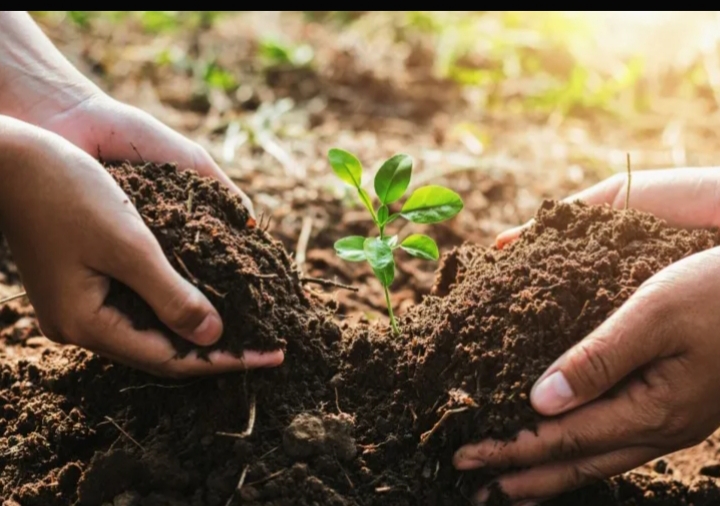
Soil is a vital natural resource that plays a key role in agriculture and environmental stability. It supports plant growth, stores water, and supplies essential nutrients needed for life. However, activities such as poor farming practices, deforestation, and climate change have caused serious soil degradation. Protecting soil health through sustainable methods is therefore necessary to maintain long-term productivity and ecological balance.
Soil health describes the ability of soil to function as a living system. Healthy soil contains a proper mix of minerals, organic matter, air, water, and beneficial microorganisms. These elements work together to promote plant growth, maintain fertility, and reduce erosion. When soil becomes degraded, it loses its nutrients, structure, and water-holding capacity, leading to lower crop yields.
One important method of maintaining soil health is crop rotation. This practice involves planting different crops on the same land in different seasons. It helps to prevent the depletion of nutrients, control pests and diseases, and improve soil structure. For instance, legumes can restore nitrogen levels in the soil after cereal crops have been grown.
Adding organic materials such as compost, manure, and cover crops is another effective approach. These materials improve soil fertility, increase moisture retention, and support the growth of helpful microorganisms. Cover crops also protect the soil from erosion and contribute nutrients when they break down.
Conservation tillage is a technique that reduces soil disturbance compared to traditional plowing. By leaving crop residues on the soil surface, this method helps prevent erosion, improves water absorption, and protects soil organisms.
Efficient water management is also essential for soil conservation. Too much irrigation can cause waterlogging and nutrient loss, while poor drainage can lead to salt buildup in the soil. Methods like drip irrigation help maintain the right level of moisture for healthy soil conditions.
Agroforestry, which integrates trees with crops or livestock, is another sustainable practice. Trees help hold the soil together, reduce erosion, improve fertility through fallen leaves, and provide shade that helps retain moisture.
Reducing the overuse of chemical fertilizers and pesticides is equally important. Although they may boost production in the short term, excessive use can damage soil life and reduce long-term fertility. A balanced approach, such as integrated nutrient management, is more sustainable.
Preventing soil erosion is also crucial. Techniques like contour farming, terracing, and planting windbreaks help protect the soil from being washed or blown away. These methods are particularly useful in areas with heavy rainfall or strong winds.
Despite these solutions, challenges such as limited access to knowledge, resources, and modern technology still exist. Many farmers may also be unaware of the long-term benefits of sustainable soil practices. Addressing these issues requires better education, support systems, and investment in sustainable agriculture.
In summary, maintaining soil health is essential for sustainable farming and environmental protection. By using practices such as crop rotation, organic matter addition, conservation tillage, and proper water management, farmers can preserve soil productivity for future generations while also protecting the ecosystem.