
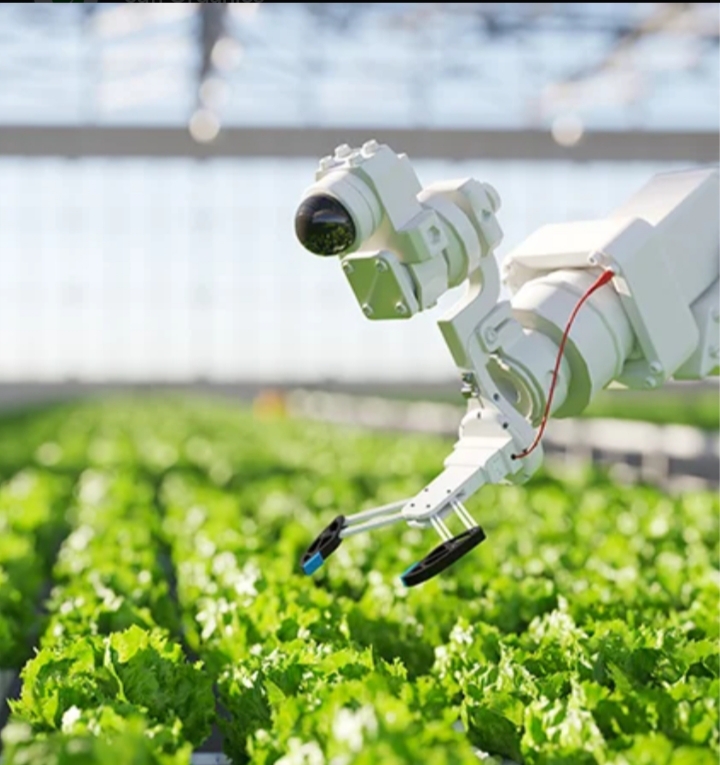
With global food demand rising rapidly, farmers are challenged to produce more with fewer resources. Precision agriculture has become a game changing approach, using technology and data to enhance farming efficiency, optimize crop management, and increase yields.
Understanding Precision Agriculture
Precision agriculture is a modern farming strategy that relies on data-driven insights to manage crops more effectively. Instead of treating entire fields the same way, farmers can make targeted decisions tailored to the unique conditions of specific areas.
This method combines tools such as GPS mapping, soil and crop sensors, drones, and data analytics to boost productivity while reducing resource waste.
Technology at the Heart of Farming
Technology drives the effectiveness of precision agriculture. Field sensors and satellite imagery allow farmers to monitor soil health, moisture, and crop conditions in real time.
Drones provide aerial surveys, detect problem areas, and can even deliver fertilizers or pesticides precisely where they are needed. These tools help farmers respond faster and more accurately, reducing losses and maximizing production.
Using Resources Efficiently
Precision agriculture enables smarter use of key inputs like water, fertilizers, and pesticides.
Farmers can:
- Irrigate only areas that need water
- Apply fertilizers based on soil nutrient levels
- Target pest control to affected zones
This focused approach increases yield, lowers costs, and minimizes environmental impact.
Making Decisions with Data
Data analysis is central to precision farming. By collecting and interpreting information from multiple sources, farmers can make informed choices about planting, irrigation, and harvesting.
Predictive tools can indicate optimal planting times, forecast weather-related challenges, and guide other management decisions—allowing proactive rather than reactive farming.
Monitoring Crops Continuously
Constant crop monitoring is essential for healthy growth. Precision agriculture technologies enable farmers to detect problems early.
Sensors and imaging can reveal:
- Nutrient deficiencies
- Water stress
- Pest or disease outbreaks
Early intervention prevents minor issues from becoming major crop losses.
Enhancing Productivity and Profit
By fine-tuning every aspect of farming, precision agriculture improves overall yields. Higher production combined with reduced input costs boosts profitability. Additionally, improved crop quality can command better prices in the market.
Supporting Environmental Sustainability
Precision farming also promotes eco-friendly practices. Targeted use of fertilizers and pesticides, along with water conservation, protects soil, water, and biodiversity—ensuring farming remains sustainable over time.
Overcoming Adoption Challenges
Despite its advantages, precision agriculture faces hurdles. High setup costs, limited technical knowledge, and restricted access to technology can deter small-scale farmers. However, as equipment becomes more affordable and user-friendly, adoption is increasing.
Looking Ahead
The future of agriculture lies in advanced innovation. Artificial intelligence, machine learning, and automation will make precision farming even more efficient and integrated, helping farmers manage operations more sustainably.
Conclusion
Precision agriculture is transforming farming by using technology and data to improve decision-making. It helps farmers increase crop yields, reduce waste, and enhance profitability while promoting environmental sustainability. As the world faces growing food needs and ecological challenges, precision agriculture offers a practical solution for the farms of tomorrow.