
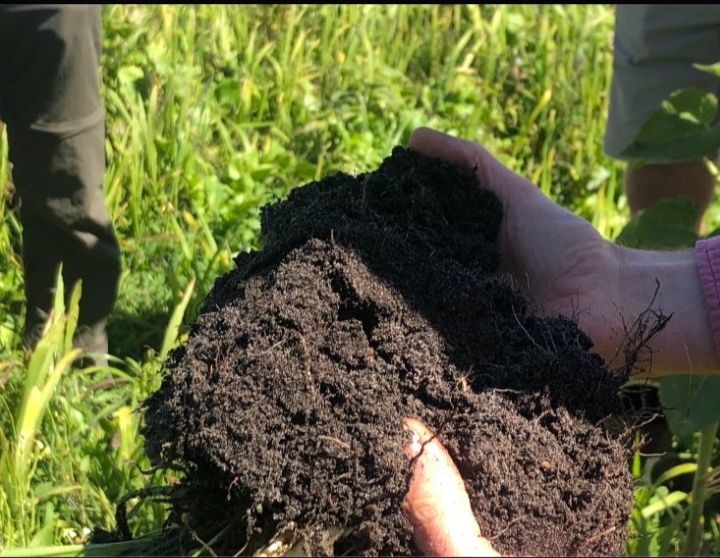
Fertile soil is the cornerstone of successful farming, and one of its most crucial components is organic carbon. Soil rich in carbon enhances plant growth, improves soil structure, retains moisture, and fosters microbial activity. By learning how to build and maintain carbon levels in soil, farmers can increase crop productivity while promoting sustainable farming practices.
The Importance of Soil Carbon
Organic carbon is vital for healthy soil. It provides nutrients for beneficial microorganisms, strengthens soil structure, and boosts water retention. Carbon-rich soils also help prevent erosion, stabilize pH, and contribute to climate mitigation by sequestering carbon underground.
Incorporating Organic Matter
Adding organic materials is a key method for increasing soil carbon. Compost, crop residues, animal manure, and green manure crops enrich the soil with nutrients and enhance microbial activity, which is essential for nutrient cycling and overall fertility.
Cover Crops
Growing cover crops, such as legumes or grasses, during off-seasons protects the soil from erosion and increases organic matter when plowed back into the soil. Cover crops also support nitrogen fixation, reducing the need for synthetic fertilizers for future crops.
Reduced Tillage
Limiting soil disturbance through no-till or minimal-till practices helps preserve carbon in the soil. Excessive tilling accelerates the breakdown of organic matter, releasing carbon as CO₂ and depleting soil fertility. Maintaining a protective soil layer safeguards carbon and supports healthy microbial populations.
Crop Rotation and Diversity
Rotating different crops and planting a variety of species enriches the soil and contributes to carbon accumulation. Diverse crops deposit varied organic matter into the soil, feeding microbes and improving fertility, while also reducing pest and disease problems.
Mulching
Applying organic mulch such as straw, leaves, or wood chips helps retain soil moisture, control weeds, and gradually increase carbon as the mulch decomposes. Mulching also protects the soil from erosion and temperature fluctuations.
Biochar Use
Biochar, a form of charcoal produced from plant material, is a stable carbon source. Adding biochar improves nutrient retention, water-holding capacity, and long-term carbon storage, while supporting beneficial microbial activity.
Monitoring Soil Health
Regular soil testing helps track carbon levels and overall fertility. This information allows farmers to adjust practices to maintain optimal soil health and productivity.
Maintaining carbon-rich soil is essential for higher crop yields and sustainable farming. Through adding organic matter, using cover crops, minimizing tillage, rotating crops, applying mulch, and incorporating biochar, farmers can enhance soil fertility, improve water retention, and promote a balanced ecosystem. Healthy, carbon-rich soil supports productivity while safeguarding the environment for the future.