
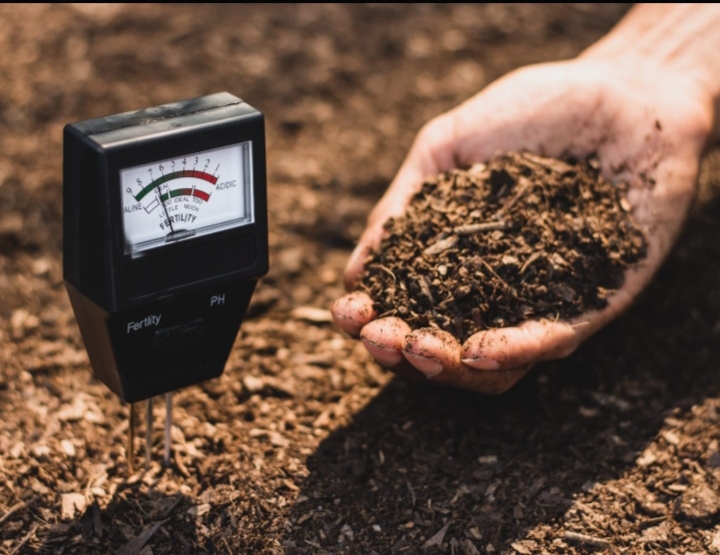
Maintaining the proper soil pH is crucial for healthy plant growth, nutrient absorption, and long-term soil fertility. For organic farmers, adjusting pH naturally is a sustainable approach that supports both crop health and soil ecosystem integrity.
Understanding Soil pH
Soil pH indicates how acidic or alkaline the soil is, measured on a scale from 0 to 14:
- Acidic: pH below 7
- Neutral: pH around 7
- Alkaline: pH above 7
Most crops grow best in slightly acidic to neutral soils (pH 6–7), although some plants prefer specific pH ranges. Knowing your soil’s current pH is essential before making any adjustments.
Testing Your Soil
To determine your soil pH accurately:
- Home test kits: Affordable and simple to use
- Laboratory testing: Provides detailed nutrient and pH analysis
- DIY methods: Vinegar or baking soda tests for a rough estimate
Testing prevents over or under correcting the soil.
Natural Methods to Raise Soil pH (Reduce Acidity)
If your soil is too acidic, consider these organic amendments:
- Agricultural Lime:
- Made from crushed limestone, it gradually neutralizes acidity
- Available in powdered or pellet form
- Adds calcium, improving soil structure
- Wood Ash:
- Contains calcium carbonate and potassium
- Works faster than lime, so apply cautiously
- Crushed Oyster Shells or Eggshells:
- Slowly release calcium carbonate over time
- Enhance soil structure while reducing acidity
Natural Methods to Lower Soil pH (Reduce Alkalinity)
If your soil is too alkaline, try these organic solutions:
- Compost and Organic Matter:
- Decomposing organic matter releases natural acids
- Improves nutrient retention and soil texture
- Peat Moss:
- Naturally acidic, effective for slightly alkaline soils
- Also helps retain moisture in sandy soils
- Coffee Grounds:
- Mildly acidic and safe for most plants
- Mix into soil or compost for gradual pH reduction
- Elemental Sulfur:
- Microbes convert sulfur into sulfuric acid over time
- Lowers soil alkalinity naturally
Practices to Maintain Balanced Soil pH
- Crop Rotation: Different crops influence soil pH differently; rotating legumes, cereals, and root crops helps maintain balance.
- Mulching: Organic mulches decompose slowly, adding nutrients and mild acids.
- Cover Crops: Green manure or legumes enrich the soil and help stabilize pH.
- Regular Testing: Monitor soil pH each season to make small, controlled adjustments.
Benefits of Proper Soil pH
- Increases nutrient availability
- Supports beneficial microbes
- Improves crop yield and quality
- Encourages sustainable, eco-friendly farming
Conclusion
Adjusting soil pH naturally is vital for successful organic farming. Using organic amendments such as lime, wood ash, compost, or peat moss allows farmers to create healthy, productive soil without synthetic chemicals. Regular monitoring and sustainable management practices ensure long-term fertility, crop success, and a thriving organic farm ecosystem.