
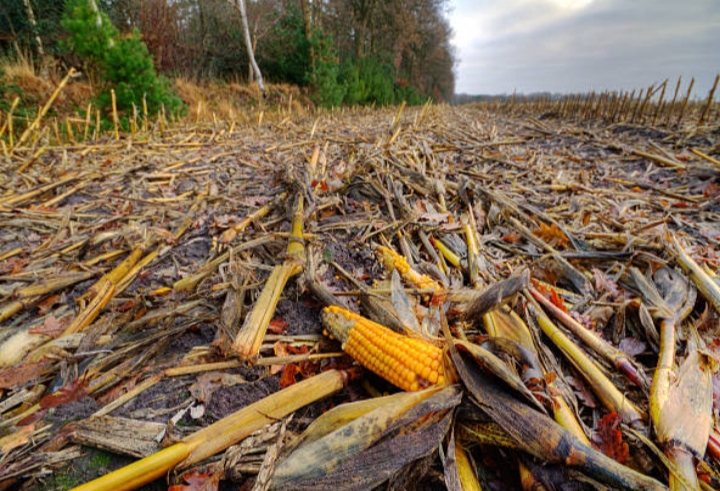
Agricultural activities generate a large amount of waste, including crop residues, husks, straw, shells, and animal manure. Traditionally, much of this waste has been discarded, burned, or left to decompose, contributing to environmental pollution. Today, the concept of agricultural waste utilization is gaining importance as a way to minimize environmental impact while creating economic value.
Why Agricultural Waste Management Matters
Improper disposal of agricultural byproducts can lead to air pollution, greenhouse gas emissions, and soil degradation. By making effective use of agricultural waste, farmers and industries can reduce environmental harm, improve resource efficiency, and generate additional income. It also supports a circular economy, where resources are reused rather than wasted.
Ways to Utilize Agricultural Waste
- Bioenergy Generation
Crop residues such as rice straw or sugarcane bagasse can be converted into biofuels like biogas, bioethanol, and biodiesel. This reduces dependence on fossil fuels and promotes renewable energy solutions. - Animal Feed
Residues such as straw, husks, and other plant byproducts can be processed into nutritious animal feed, lowering feeding costs and improving livestock productivity. - Organic Fertilizers and Compost
Composting crop residues and animal manure creates nutrient-rich fertilizers, enhancing soil fertility and reducing the need for chemical fertilizers, thereby supporting sustainable farming practices. - Industrial Uses
Agricultural waste can be transformed into various industrial products. Coconut shells, corn cobs, and rice husks, for example, can be used to produce biochar, biodegradable plastics, packaging materials, and paper. - Mushroom Farming
Certain byproducts like straw and husks serve as excellent substrates for growing mushrooms, offering farmers a profitable alternative while recycling waste efficiently. - Eco-Friendly Materials
Processed agricultural residues can be turned into sustainable materials such as particleboards, fiberboards, and bio-composites used in construction, furniture, and packaging.
Challenges to Effective Utilization
Barriers to widespread agricultural waste utilization include lack of awareness, high processing costs, and limited infrastructure. Promoting research, providing financial support, and investing in technology can help overcome these challenges.
Conclusion
Utilizing agricultural waste is vital for promoting sustainable agriculture and protecting the environment. Converting byproducts into energy, animal feed, fertilizers, and industrial materials helps reduce pollution, improve productivity, and create new economic opportunities. Embracing innovative agricultural waste management practices ensures a more sustainable and environmentally friendly future.