
Introduction
Grains such as maize, rice, wheat, sorghum, and millet are major food crops that supply essential nutrients and energy for both humans and animals. After harvest, proper storage is necessary to maintain their quality and prevent damage or loss. Grain storage techniques refer to the various methods and practices used to protect harvested grains from moisture, pests, spoilage, and contamination, ensuring they remain safe for consumption over time.
Importance of Grain Storage
Proper storage of grains is important because it:
- Reduces post-harvest losses by protecting grains from insects, rodents, and microorganisms.
- Preserves quality by maintaining nutritional value and appearance.
- Supports food security by ensuring availability during periods of scarcity.
- Helps stabilize market supply since farmers can store produce and sell when prices improve.
- Minimizes waste caused by poor storage conditions.
Factors Affecting Grain Storage
Several conditions influence how well grains can be stored:
Moisture Level
Grains must be adequately dried before storage because excess moisture promotes mold growth and spoilage.
Temperature
High temperatures encourage insect infestation and microbial activity, which can damage stored grains.
Storage Conditions
A clean, dry, and well-ventilated environment helps maintain grain quality.
Pests and Rodents
Insects, birds, and rodents can destroy grains and contaminate stored products.
Length of Storage
Longer storage periods require careful monitoring to prevent deterioration.
Methods of Grain Storage
Traditional Methods
Commonly used by small-scale farmers, these include:
- Granaries, often raised structures made from local materials that allow air circulation.
- Clay containers and woven baskets for storing smaller quantities.
- Underground storage pits, which protect grains from weather but require proper drying beforehand.
Modern Methods
- Silos, which are metal or concrete structures designed for bulk storage under controlled conditions.
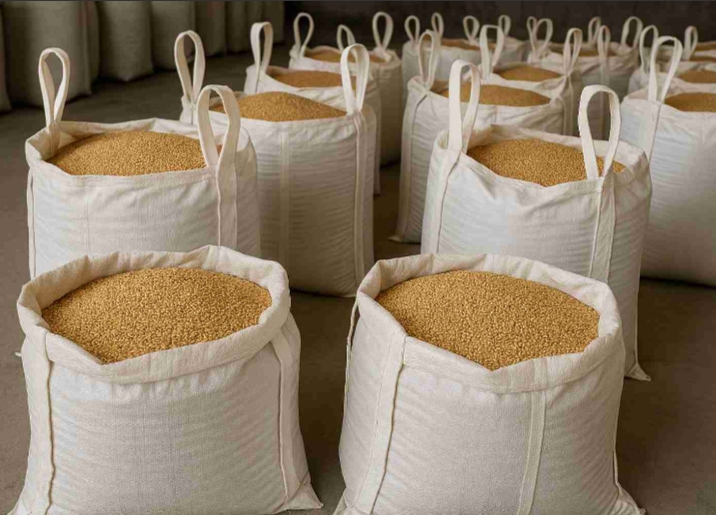
- Warehouses used for storing grains packed in bags.
- Hermetic storage bags, airtight containers that limit oxygen and reduce pest infestation without chemicals.
- Temperature-controlled storage, used mainly for seeds or special grain varieties.
Grain Storage Practices
Cleaning
Removing dirt, broken grains, and debris before storage helps reduce pest infestation.
Drying
Lowering moisture content through sun drying or mechanical drying prevents spoilage.
Pest Control
Approved chemicals or natural materials such as neem leaves or ash may be applied to protect grains.
Proper Packaging
Using clean, durable bags or airtight containers helps prevent contamination.
Routine Inspection
Regular checks help detect early signs of pests, moisture problems, or spoilage.
Common Grain Storage Pests
- Weevils
- Beetles
- Moths
- Rats and mice
- Fungi and molds
These pests can cause significant quality and quantity losses if not properly controlled.
Benefits of Proper Grain Storage
- Decreases food losses
- Maintains grain safety and quality
- Improves farmers’ income opportunities
- Ensures continuous food supply
- Reduces health risks caused by contamination
Challenges in Grain Storage
- Limited access to improved storage facilities
- Inadequate drying techniques
- High humidity in certain regions
- Lack of awareness about modern storage practices
- High cost of storage equipment
Conclusion
Effective grain storage techniques are essential for preserving harvested crops and maintaining food availability. Proper management of moisture, temperature, pests, and storage conditions allows grains to remain safe and usable for extended periods. Adopting improved storage practices helps reduce losses, increase profitability, and strengthen food security.