
Introduction
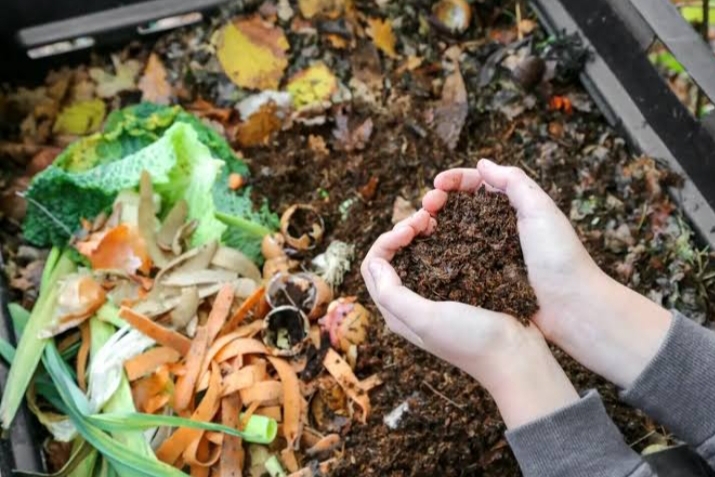
Composting is a natural method of converting organic waste into nutrient-rich soil called compost. Instead of disposing of food leftovers and garden waste, composting allows these materials to break down and become a valuable fertilizer for plants. It is an environmentally friendly practice that reduces waste, improves soil quality, and supports healthy plant growth.
This article explains what compost is, its importance, and how anyone can produce compost at home using simple and accessible materials.
What Is Compost?
Compost is decomposed organic material made from kitchen scraps, plant waste, and other biodegradable substances. Microorganisms such as bacteria and fungi break down these materials over time, turning them into dark, crumbly soil filled with nutrients. Because of its benefits for plant growth, compost is often referred to as “black gold” by gardeners.
Benefits of Composting
Composting provides many advantages. It reduces the amount of waste sent to landfills and improves soil structure by helping it retain water and nutrients. Compost also supports healthier plant growth by supplying natural nutrients, reduces environmental pollution, and lowers the need for chemical fertilizers, saving money.
Materials Needed for Compost
Successful composting requires a balance between two main types of materials.
Green materials, which are rich in nitrogen, supply protein for microorganisms. Examples include fruit and vegetable scraps, fresh grass clippings, coffee grounds, tea leaves, and green plant cuttings.
Brown materials, which are rich in carbon, provide energy and help regulate moisture. Examples include dry leaves, straw, sawdust, paper, cardboard, and dry grass. A healthy compost pile usually contains more brown materials than green ones.
Steps to Make Compost
First, select a suitable compost location. A shaded area with good drainage works best. Compost can be made in a bin, a wooden container, or simply in a pile on the ground.
Next, create a base layer using small sticks or dry leaves to improve airflow. Good air circulation helps materials decompose efficiently.
Add compost materials in alternating layers of brown and green items. Layering helps maintain balance and speeds up the decomposition process.
Moisten the compost pile so that it feels like a squeezed sponge. Excess water can cause unpleasant odors, while too little moisture slows decomposition.
Turn or mix the compost every one to two weeks using a shovel or stick. Turning introduces oxygen, allowing microorganisms to work more effectively.
After some time, usually between two and four months, the materials will decompose into compost that is dark, crumbly, and soil-like.
Materials to Avoid
Certain items should not be added to compost because they attract pests or slow decomposition. These include meat, fish, dairy products, oils, diseased plants, and non-biodegradable materials such as plastic or metal.
Signs That Compost Is Ready
Compost is ready for use when it becomes dark brown or black, has an earthy smell, and the original materials are no longer recognizable. The texture should be loose and crumbly.
How to Use Compost
Compost can be mixed into garden soil before planting, spread around plants as mulch, added to potting mixtures for vegetables and flowers, or used to improve lawn soil.
Common Composting Problems and Solutions
A bad smell usually indicates too much moisture or excess green material; adding dry leaves and turning the pile can solve this problem. Slow decomposition may result from poor airflow or lack of nitrogen, which can be corrected by turning the pile and adding green materials. If the compost becomes too dry, lightly sprinkle water to restore moisture.
Conclusion
Composting is a simple and cost-effective practice that benefits both the environment and plant growth. By transforming organic waste into nutrient rich soil, individuals can reduce pollution while naturally improving soil fertility. With the proper balance of materials, moisture, and care, anyone can successfully produce compost at home and contribute to a more sustainable environment.