Introduction
Agriculture is essential for food supply, economic growth, and human survival across the world. Despite its importance, crop production faces several challenges, with pests and diseases being among the most damaging. These biological threats reduce agricultural productivity, affect food quality, and lead to significant financial losses for farmers. Understanding their effects and adopting proper control measures is important for sustainable farming.
Understanding Pests and Crop Diseases
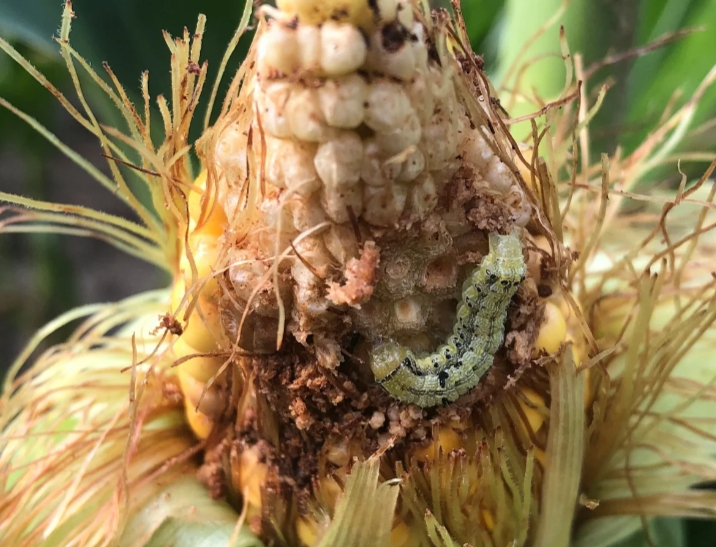
Pests are organisms that harm crops by feeding on different plant parts such as leaves, stems, roots, or fruits. They include insects, rodents, nematodes, and birds. Common examples are locusts, aphids, and caterpillars.
Crop diseases are caused by harmful microorganisms such as fungi, bacteria, viruses, and parasites. These pathogens infect plants and disrupt their normal growth processes. Examples include leaf rust in wheat, cassava mosaic disease, and rice blast.
Effects of Pests on Crop Yields
Direct Damage
Many pests feed directly on plant tissues, reducing the plant’s ability to carry out photosynthesis. When leaves are damaged, plants cannot produce enough energy for proper growth and development.
Crop Losses
Serious pest outbreaks can destroy large portions of farmland. In extreme cases, infestations such as locust swarms can eliminate crops within a short period.
Spread of Diseases
Certain pests transmit plant diseases from infected plants to healthy ones. Insects like aphids and whiteflies are known to spread viral infections rapidly across farms.
Reduced Produce Quality
Damage caused by pests often results in crops that are unattractive or unsuitable for sale, leading to reduced income for farmers.
Effects of Diseases on Crop Yields
Poor Plant Growth
Diseases weaken plants by affecting tissues responsible for transporting water and nutrients, causing stunted development.
Decreased Productivity
Infected crops produce fewer flowers and fruits, which directly lowers overall yield.
Post-Harvest Losses
Some plant diseases continue to develop after harvesting, causing spoilage during storage and transportation.
Economic Consequences
Farmers may spend more on disease control measures while earning less due to reduced harvests.
Factors That Increase Pest and Disease Problems
Several conditions contribute to the spread of pests and diseases, including:
- Climate change and unstable weather conditions
- Continuous cultivation of the same crop (monocropping)
- Poor field hygiene
- Lack of disease-resistant crop varieties
- Improper irrigation and soil management practices
Control and Management Strategies
Cultural Practices
Farmers can reduce risks through crop rotation, proper plant spacing, timely planting, removal of infected plants, and maintaining clean farm environments.
Biological Control
The use of natural enemies such as beneficial insects helps control pest populations in an environmentally friendly way.
Chemical Control
Pesticides and fungicides may be applied when necessary, but they must be used responsibly to prevent environmental harm and resistance.
Resistant Crop Varieties
Developing and planting resistant crop varieties helps reduce vulnerability to specific pests and diseases.
Integrated Pest Management (IPM)
Integrated Pest Management combines cultural, biological, mechanical, and chemical methods to control pests effectively while minimizing environmental impact.
Importance of Managing Pests and Diseases
Effective management helps to:
- Increase agricultural productivity
- Strengthen food security
- Protect farmers’ livelihoods
- Reduce environmental risks
- Promote sustainable farming systems
Conclusion
Pests and diseases continue to pose major challenges to agricultural production worldwide. Their effects on crop yields can result in food shortages, financial losses, and reduced sustainability in farming systems. However, through proper management practices, improved farming techniques, and the adoption of resistant crop varieties, farmers can reduce losses and maintain stable crop production for the future.