
A Practical Guide to Targeted Pest Control
Selective pesticides are important in agriculture because they focus on controlling specific pests while causing minimal harm to helpful organisms and the surrounding environment. To get the best results from these pesticides, they must be applied carefully and correctly. Proper application not only improves pest control but also supports environmental sustainability.
The first step in using selective pesticides successfully is correct identification of the pest. Since these chemicals are designed for particular targets, using the wrong one will not solve the problem. Careful observation or consulting an expert can help ensure the pest is accurately identified before treatment begins.
Proper timing is another key factor. Selective pesticides are most effective when applied at a stage when the pest is most vulnerable. For example, some treatments work better on young or developing insects rather than fully grown ones. Applying at the right moment increases success and reduces the need for repeated use.
It is also essential to follow the instructions provided on the pesticide label. These guidelines include the correct dosage, method of application, and safety measures. Ignoring these instructions can lead to poor results, environmental harm, or safety risks. Using the recommended amount ensures effective control without unnecessary damage.
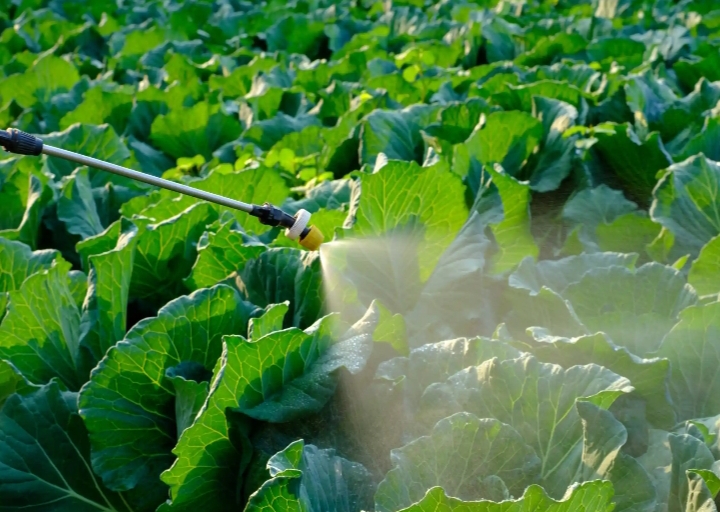
The application method should be precise and targeted. Techniques such as spot treatment or localized spraying help ensure that only the affected areas are treated. This reduces exposure to beneficial organisms and maximizes the efficiency of the pesticide.
Environmental conditions must also be taken into account. Weather factors like wind, temperature, and rainfall can affect how the pesticide spreads and works. Applying during calm weather helps prevent drift and ensures the pesticide reaches its intended target.
Combining selective pesticide use with approaches like can further improve results. This method uses a mix of strategies, including biological and cultural controls, to manage pests in a more sustainable way and reduce dependence on chemicals.
Finally, monitoring the results after application is important. Checking the treated area helps determine whether the pesticide worked effectively or if further action is needed. It also helps identify any unintended effects on non-target organisms.
In summary, the effective use of selective pesticides depends on proper planning, accurate pest identification, correct timing, and careful application. When these steps are followed, farmers can achieve strong pest control while protecting the environment and beneficial species.