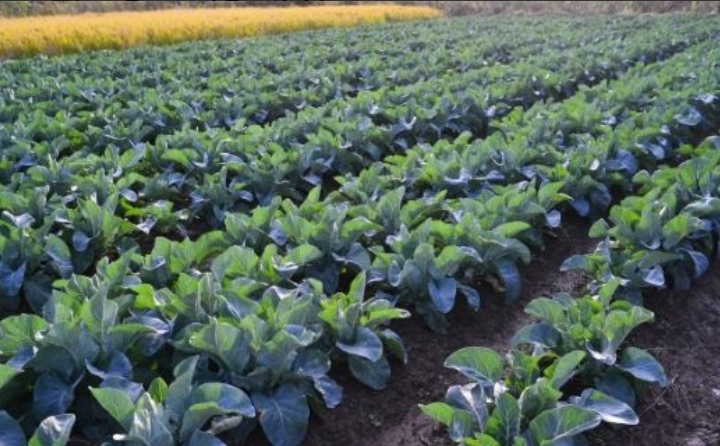
Agriculture plays a vital role in feeding the world’s population, and protecting crops from pests is a major part of successful farming. One important method farmers use is the application of pesticides. Among these, selective pesticides are especially valuable because they focus on specific harmful organisms while leaving beneficial ones largely unharmed. Their proper use can lead to increased crop production and better farming outcomes.
Understanding Selective Pesticides
Selective pesticides are specially formulated to target certain pests—such as insects, weeds, or plant diseases—without affecting other organisms. Unlike non-selective (broad-spectrum) pesticides, which eliminate many types of life, selective pesticides act on particular pests based on unique biological characteristics.
Minimizing Crop Losses
One of the main ways selective pesticides improve crop yield is by limiting damage caused by pests. Harmful insects, weeds, and pathogens can destroy crops or compete with them for essential resources like nutrients, sunlight, and water. By effectively controlling these threats, selective pesticides help prevent losses and ensure better harvests.
Protecting Helpful Organisms
Many organisms in the farm environment are beneficial. Pollinators such as bees are essential for plant reproduction, while predators like ladybirds help control pest populations naturally. Selective pesticides protect these helpful species, allowing them to continue supporting crop growth and reducing the need for excessive chemical use.
Enhancing Plant Growth
When crops are free from pest pressure, they can grow stronger and healthier. This allows plants to carry out important processes such as photosynthesis more efficiently. Selective pesticides contribute to this by removing harmful organisms without causing unnecessary stress to the plants or surrounding ecosystem.
Slowing Pest Resistance
Frequent use of broad-spectrum pesticides can lead to resistance, where pests adapt and become harder to control. Selective pesticides, especially when combined with other pest management methods, can slow down this process. This ensures that pest control measures remain effective over time, helping maintain stable crop yields.
Supporting Environmental Health
Selective pesticides are generally less harmful to the environment because they affect fewer non-target species. This helps protect soil quality, water sources, and biodiversity. A healthier environment supports sustainable agriculture and long-term productivity.
Economic Advantages
Using selective pesticides can also benefit farmers financially. By increasing yields and reducing unnecessary chemical use, farmers can lower costs and improve profits. Preserving beneficial organisms also reduces the need for additional pest control measures.
Conclusion
Selective pesticides are an essential component of modern farming. By focusing on specific pests, protecting beneficial organisms, and promoting healthier plant development, they help increase crop production in a sustainable way. Their responsible use ensures both immediate and long-term benefits for agriculture.