
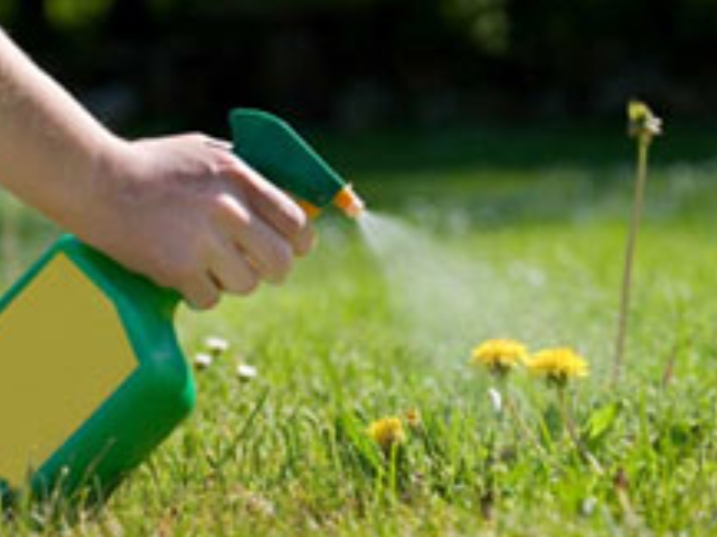
Selective pesticides are a smart way to manage pests while preserving beneficial insects and maintaining environmental balance. However, their success largely depends on proper timing. Applying them at the right moment improves effectiveness, reduces unnecessary use, and supports healthier plants.
Understanding Selective Pesticides
Selective pesticides are formulated to control specific pests rather than affecting a wide range of organisms. This makes them a safer option compared to broad-spectrum chemicals, especially for gardens and farms where beneficial insects play an important role.
The Importance of Proper Timing
When you apply selective pesticides matters just as much as what you use. These products often work by interrupting feeding or development, so they are most effective when pests are in their early, more vulnerable stages.
Applying them too late or too early can limit their impact and may lead to repeated use.
Choosing the Right Time of Day
Spraying during the cooler parts of the day, such as early morning or late evening, is ideal. At these times, the product is less likely to evaporate quickly, and plants are less likely to be stressed.
This timing also helps protect pollinators like bees, which are usually less active outside of daytime hours.
Avoid applying pesticides during hot afternoons, as high temperatures can reduce effectiveness and potentially harm plants.
Focusing on Pest Development Stages
To get the best results, it’s important to understand the growth stages of the pests you are targeting. Many selective pesticides work best on immature forms like larvae or nymphs.
Regular plant checks can help you spot infestations early, allowing for timely intervention.
Considering Weather Conditions
Environmental factors also play a role in how well pesticides perform.
Spraying before rainfall can wash away the treatment, while strong winds can cause it to drift away from the target area. Calm, dry conditions are best for effective application.
Maintaining a Consistent Schedule
Selective pesticides often need to be applied more than once for lasting results. Sticking to a regular schedule based on pest activity and product guidelines can improve control.
At the same time, excessive use should be avoided to prevent unnecessary stress on plants and surrounding organisms.
Pairing Timing with Good Practices
Proper timing should be combined with correct application techniques. Make sure to cover all parts of the plant, especially hidden areas like the undersides of leaves.
Integrating other pest control methods, such as pruning affected areas or encouraging natural predators, can further improve results.
Final Thoughts
Effective pest control with selective pesticides depends on more than just the product itself. By paying attention to timing, pest life stages, and environmental conditions, you can achieve better outcomes while protecting beneficial insects. A well-timed approach leads to healthier plants and a more balanced ecosystem.