
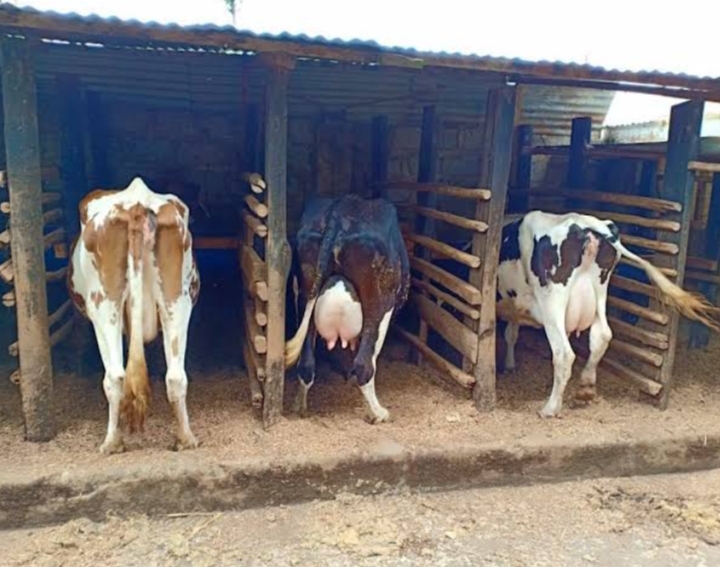
Choosing an appropriate location is a critical step in setting up a dairy farm. The site you select greatly influences productivity, animal well-being, operational efficiency, and overall profitability. A carefully chosen location can lower costs, improve milk production, and support long-term success.
1. Climate and Weather
Weather conditions have a strong impact on dairy farming. Cattle thrive best in moderate climates, as extreme heat or cold can cause stress, leading to reduced milk yield and poor reproduction. Regions with consistent rainfall are ideal because they support the growth of pasture and feed crops. In hotter areas, access to shade and proper airflow is especially important.
2. Water Supply
An adequate and dependable supply of clean water is essential. Dairy cows require large amounts of water daily, particularly when producing milk. Therefore, the farm should be located near reliable sources such as boreholes, rivers, or storage systems. Poor-quality water can negatively affect animal health and production.
3. Land and Soil Conditions
Good-quality soil supports the cultivation of fodder and pasture. The land should be fertile and well-drained to avoid flooding or muddy conditions that can harm both crops and animals. Additionally, sufficient space is needed for grazing, housing, and possible expansion in the future.
4. Proximity to Markets
Being close to markets is very important since milk is perishable and must be delivered quickly. A location near processing facilities or urban centers helps reduce transport costs and spoilage. Good road access further improves efficiency in distributing products.
5. Infrastructure and Accessibility
Access to essential infrastructure such as electricity, roads, and communication systems is necessary. Electricity powers equipment like milking machines and refrigeration units. Poor infrastructure can hinder operations and increase expenses.
6. Labor Availability
Since dairy farming requires regular attention, access to both skilled and unskilled workers is vital. Locations with farming communities or experienced laborers can make farm management easier and more efficient.
7. Disease Prevention and Safety
The farm should be located in an area with minimal disease risk. Avoiding regions with frequent livestock movement can help prevent infections. Maintaining distance from other farms also improves biosecurity.
8. Land Cost and Legal Considerations
The cost of land can vary significantly depending on the area and affects the overall investment. It is also important to understand local laws, zoning rules, and environmental regulations that may impact dairy farming activities.
9. Environmental Sustainability
The chosen location should support proper waste management practices to prevent pollution. Manure should be handled effectively, whether through composting or use as fertilizer. Sustainable practices protect the environment and ensure long-term productivity.
Conclusion
Selecting the right location for a dairy farm requires careful consideration of several factors, including climate, water availability, soil quality, infrastructure, and market access. A well-planned decision helps ensure healthy livestock, efficient operations, and a profitable farming business.