
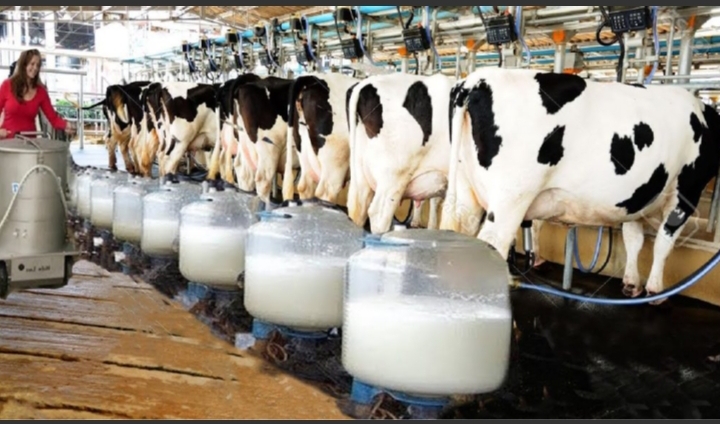
Many people interested in dairy farming often wonder how many cows are needed to achieve profitability. There is no exact figure, as success depends on various factors such as management, feeding practices, market availability, and production costs. Still, understanding how herd size affects efficiency and income is essential when starting out.
1. Small-Scale Dairy Farming (1–10 Cows)
Keeping between 1 and 10 cows is ideal for beginners or households. At this stage, milk production mainly serves family needs, with a little extra for sale. Profits are usually modest because output is low and the cost per animal tends to be higher. However, with good care and low expenses, it can still be sustainable.
2. Medium-Scale Dairy Farming (10–50 Cows)
A herd size of 10 to 50 cows is often suitable for farmers aiming for commercial production. This range allows for more consistent income and improved efficiency. Costs such as feed, labor, and healthcare are spread across more animals, making the operation more profitable. Many farmers start at this level to build a solid business.
3. Large-Scale Dairy Farming (Above 50 Cows)
Farms with over 50 cows can produce milk in large quantities and supply bigger markets like processing companies and retailers. While profit potential is higher, the required investment in infrastructure, equipment, and labor is also significant. Proper management is crucial to avoid losses.
4. Key Factors Affecting Profitability
Herd size alone does not determine success. Other important elements include:
- Milk Production per Cow: Higher yields increase overall income.
- Feeding Efficiency: Managing feed costs effectively improves profit margins.
- Market Opportunities: Access to reliable buyers ensures steady income.
- Choice of Breed: Some breeds are more productive and better suited to local conditions.
- Management Practices: Good hygiene, healthcare, and record-keeping boost performance.
5. Ideal Starting Range
For most beginners, starting with about 10 to 20 cows is a practical choice. This number offers a balance between manageable costs and the ability to earn a reasonable income, while also allowing room for gradual expansion.
6. Expanding the Farm
Building a successful dairy farm often involves gradual growth. Farmers can reinvest their earnings to increase herd size, upgrade facilities, and improve production methods. Expanding step by step helps reduce risks and ensures stability.
Conclusion
There is no fixed number of cows that guarantees profitability in dairy farming. Smaller herds may meet basic needs, while medium and larger herds provide better income opportunities. Ultimately, careful management, cost control, and strong market connections are what determine success. Starting at a manageable level and growing over time is the most effective strategy.