
Dairy farming in Nigeria takes place in a hot and often humid environment, which creates serious challenges for farmers. One of the biggest issues is heat stress, a condition that affects how well cows eat, reproduce, and produce milk. Because of this, choosing the right type of dairy cow is very important for success.
Heat stress happens when a cow cannot release enough body heat to stay comfortable. When this occurs, the animal eats less, produces less milk, and may have difficulty reproducing. It can also become more vulnerable to diseases. Different types of cattle respond to heat in different ways. Some breeds are naturally adapted to hot climates, while others perform better in cooler regions.
Nigeria’s climate makes it necessary to focus on cattle that can cope with high temperatures. Cows that are not adapted to heat will struggle to perform well, even if they have the potential to produce large amounts of milk. Local cattle breeds have developed the ability to survive in these harsh conditions, but they usually produce less milk. This creates a need to find a balance between productivity and adaptability.
Cattle that do well in hot environments often have certain characteristics. These include the ability to sweat efficiently, loose skin that helps release heat, and lighter coat colors that reflect sunlight. They are also generally more resistant to parasites and common tropical diseases.
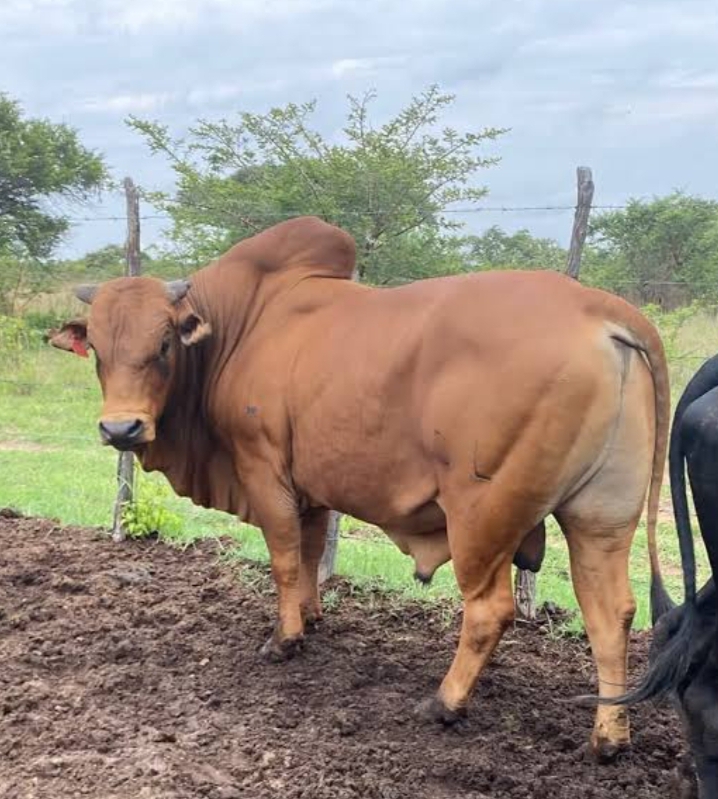
Local Zebu cattle are widely found across Nigeria. Examples include White Fulani, Sokoto Gudali, and Red Bororo. These animals are very strong and can survive in tough conditions with limited feed. They are also resistant to many diseases. However, their milk production is relatively low, which limits their use for commercial dairy farming.
Some breeds have been developed from Zebu cattle to produce more milk while still tolerating heat. Examples include Sahiwal, Gir, and Red Sindhi. These breeds perform better than local cattle in terms of milk production while still coping well with hot climates.
Breeds such as Holstein-Friesian, Jersey, and Ayrshire are known for producing large amounts of milk. However, they are not well suited to hot environments like Nigeria. They require better feeding, cooling systems, and veterinary care to perform well. Without proper management, these breeds may struggle in tropical conditions.
Crossbreeding combines local and exotic breeds to produce animals that can both tolerate heat and produce more milk. Examples include crosses between Holstein and Zebu or Jersey and Zebu. These animals are often the best choice for many farmers because they offer a good balance between productivity and adaptability.
For small-scale farmers, improved local breeds or crossbred cattle are usually the most practical option. Larger farms with better resources may use crossbred animals more intensively. Raising pure exotic breeds is generally not advisable unless there are adequate facilities to manage heat and provide high-quality care.
In addition to choosing the right breed, farmers can take steps to help their animals cope with heat. Providing shade, ensuring constant access to clean water, and feeding animals during cooler parts of the day can make a big difference. Proper housing and ventilation also help reduce heat stress.
Heat tolerance plays a major role in the success of dairy farming in Nigeria. While local breeds are strong and well adapted, they produce less milk. Exotic breeds offer high production but require careful management in hot climates. Crossbred cattle provide a practical solution by combining the strengths of both types. By selecting suitable breeds and applying good management practices, farmers can improve productivity while maintaining healthy animals.