
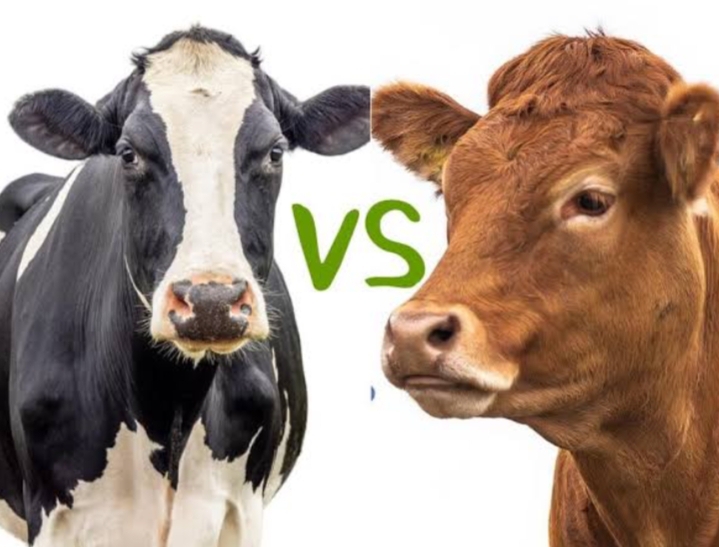
Proper feeding is essential in dairy farming because a cow’s nutritional needs change depending on whether she is producing milk or resting before calving. Adjusting feed according to these stages helps maintain good health, improve milk yield, and support reproduction.
A lactating cow has high nutritional demands because she produces milk every day. She requires large amounts of energy to sustain production, and if this is not met, she may lose weight and become weak. Energy-rich feeds such as grains and good-quality forage are important. Protein is also necessary for milk formation, so feeds like groundnut cake or soybean meal are often included in the diet. Water intake is very high during this period, as milk production depends heavily on adequate hydration. In addition, minerals such as calcium and phosphorus are needed in greater amounts to support both milk production and overall health. Feeding during lactation usually involves a balanced mix of forage, concentrates, and mineral supplements, adjusted based on how much milk the cow produces.
A dry cow, on the other hand, is not producing milk and is usually in a resting phase before giving birth again. During this period, her nutritional needs are lower, especially in terms of energy. Excess feeding can lead to too much weight gain, which may cause complications during calving. Protein is still required, but only in moderate amounts to maintain body condition. Mineral balance is very important at this stage, as it helps prevent health issues after calving. The goal is to keep the cow in good condition without making her too fat or too thin. Feeding typically includes good-quality forage, limited concentrates, and mineral supplements designed for dry cows.
The main difference between feeding these two types of cows lies in their purpose. Lactating cows are fed to support milk production, while dry cows are fed to maintain their condition and prepare for the next lactation. Lactating cows need more nutrients overall, while dry cows require controlled feeding.
Managing feeding properly at each stage leads to better milk production, healthier animals, and improved reproductive performance. When cows are not fed according to their needs, it can result in poor productivity, health problems, and higher costs.
Understanding how feeding requirements change between lactation and the dry period allows farmers to manage their herds more effectively and achieve better results in dairy production.