
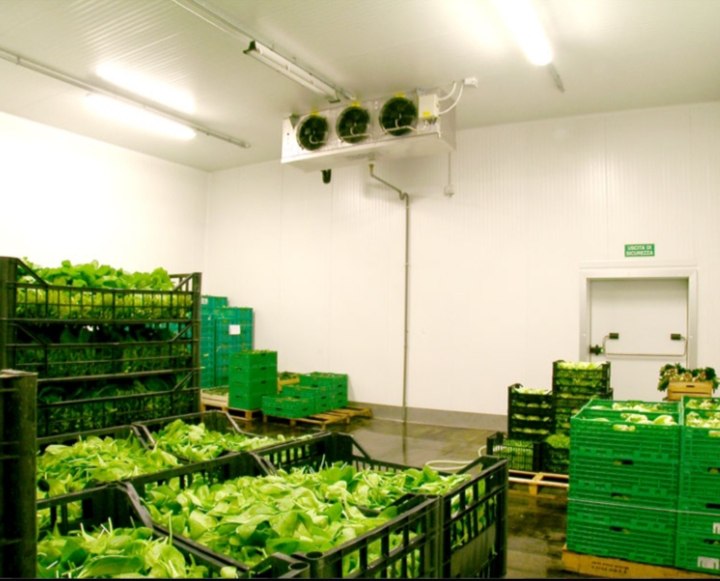
Fresh vegetables are vital for a balanced diet, offering essential vitamins, minerals, and fiber. However, after harvesting, vegetables begin to lose moisture, freshness, and nutrients, making them prone to spoilage. Proper storage is crucial to maintaining quality, and cold storage is one of the most effective methods for preserving fresh vegetables from farm to table.
Understanding Cold Storage
Cold storage involves keeping vegetables in refrigerated conditions at controlled temperatures. This slows down natural processes like microbial growth, respiration, and moisture loss that lead to deterioration. Farmers, distributors, retailers, and food processors use cold storage to maintain the freshness and quality of vegetables until they reach consumers.
Extending Shelf Life
A major benefit of cold storage is its ability to prolong the shelf life of vegetables. Lower temperatures slow down ripening and aging, allowing vegetables to stay fresh for longer periods. This not only ensures consumers have access to fresh produce but also helps reduce food waste significantly.
Preserving Nutritional Quality
Cold storage also helps retain the nutritional value of vegetables. Heat and oxygen exposure can degrade vitamins, such as vitamin C, and other beneficial compounds. By storing vegetables at low temperatures, these nutrients are better preserved, ensuring healthier produce for consumers.
Reducing Post Harvest Losses
Post harvest losses are a common issue, especially in regions with limited storage infrastructure. Cold storage minimizes spoilage, protecting farmers from financial losses by allowing them to safely store vegetables until they can be sold. This results in a more efficient and profitable supply chain.
Maintaining Freshness and Appearance
Cold storage helps vegetables retain their texture, flavor, and visual appeal. Controlled temperature and humidity prevent wilting, shriveling, and unpleasant odors, making the produce more attractive to buyers and increasing market value.
Enhancing Market Supply
With cold storage, vegetables can be supplied to markets gradually rather than all at once. This helps maintain a stable supply, avoiding both shortages and excesses, and ensures that consumers have consistent access to fresh produce.
Supporting Food Security
By reducing spoilage and maintaining quality, cold storage contributes to food security. It ensures that fresh vegetables are available even after the harvest season, providing a reliable source of nutritious food for communities.
Cold storage is a key tool for preserving the freshness, nutritional value, and overall quality of vegetables. By extending shelf life, minimizing losses, and improving market supply, it plays a vital role in the food supply chain. As demand for fresh produce continues to rise, cold storage will remain essential for delivering high-quality vegetables to consumer.