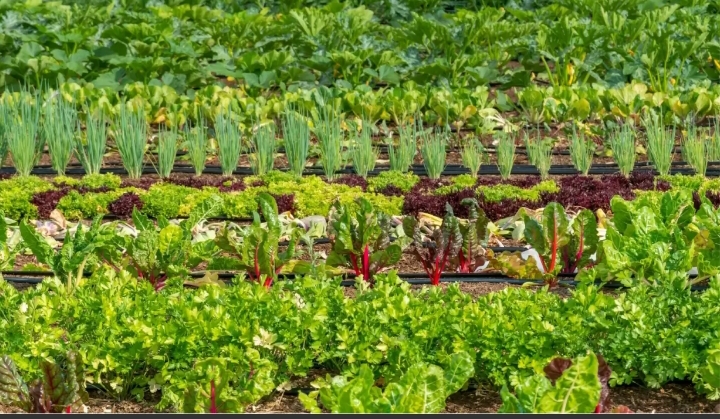
Modern agriculture continues to advance as farmers look for effective ways to increase food production while making the best use of available resources. One significant development in farming is the introduction of high-yielding crop varieties. These improved crops are bred to produce larger harvests than traditional types, helping farmers boost productivity and meet the growing demand for food.
High-yielding varieties have become an essential component of modern agriculture, contributing to food security, higher farm incomes, and more efficient farming systems.
What Are High-Yielding Crop Varieties?
High-yielding crop varieties are improved plant types developed through scientific breeding techniques to generate higher output per area of land. They are often designed to mature faster, resist certain pests and diseases, and respond effectively to fertilizers and improved cultivation methods.
Common examples include enhanced varieties of staple crops such as rice, maize, wheat, and other widely grown food crops.
Increased Farm Productivity
A key benefit of high-yielding varieties is their ability to produce more crops from the same piece of land. This increased productivity allows farmers to achieve larger harvests without expanding farmland.
This advantage is particularly valuable in regions where land availability is limited and food demand continues to rise.
Strengthening Food Security
Higher crop yields help ensure a consistent and reliable food supply. Increased production reduces the chances of shortages and helps make food more accessible and affordable for communities.
High-yielding crops therefore play an important role in addressing hunger and supporting growing populations.
Improved Farmer Earnings
Larger harvests often lead to increased income for farmers. With more produce available for markets, farmers can generate better profits and improve their quality of life.
Higher earnings also allow farmers to invest in improved equipment, irrigation, and modern farming practices, promoting long-term agricultural growth.
Resistance to Pests and Diseases
Many high-yielding varieties are developed with improved resistance to common pests and plant diseases. This helps reduce crop damage and minimizes reliance on chemical pesticides.
Healthier crops lead to better yields while also lowering production costs and environmental risks.
Efficient Resource Utilization
Improved crop varieties are often bred to use water, nutrients, and fertilizers more efficiently. When managed properly, farmers can achieve higher productivity while optimizing resource use.
This efficiency supports sustainable agriculture and helps conserve essential natural resources.
Adaptability to Environmental Conditions
Some high-yielding crops are designed to tolerate drought, heat, or poor soil conditions. These characteristics are increasingly important as climate change creates unpredictable farming environments.
Selecting suitable varieties enables farmers to maintain stable production even under challenging conditions.
Supporting Agricultural Progress
The adoption of high-yielding varieties has contributed significantly to agricultural development worldwide. Increased productivity strengthens rural economies, improves food availability, and encourages the use of modern farming techniques such as mechanization and improved soil management.
Challenges to Consider
Despite their advantages, high-yielding varieties require proper management to achieve optimal results. Farmers may need access to quality seeds, fertilizers, and training. Relying too heavily on a single variety may also reduce biodiversity and increase vulnerability to emerging pests or diseases.
Maintaining crop diversity and practicing balanced farming methods are essential for sustainability.
Conclusion
High-yielding crop varieties provide numerous benefits, including greater productivity, improved food security, higher farmer income, and enhanced resistance to environmental and biological challenges. When combined with sound agricultural practices, these improved crops help farmers produce more efficiently while supporting sustainable food production systems.