
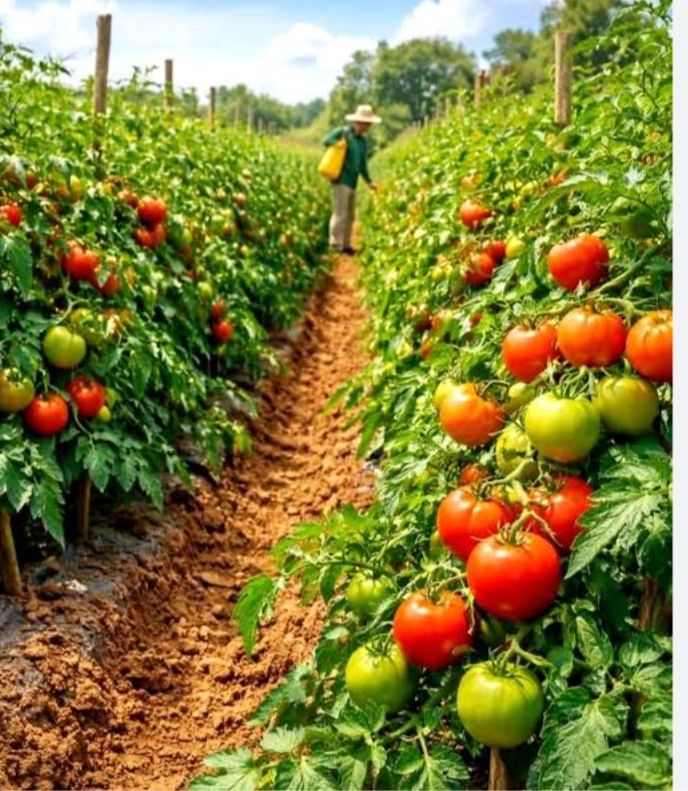
Tomato cultivation can be very profitable, but farmers often face serious challenges from pests such as aphids, whiteflies, caterpillars, thrips, and mites. Managing these pests effectively while protecting beneficial organisms requires the use of selective pesticides. These products are designed to control specific pests without harming helpful insects or the surrounding environment.
Selective pesticides differ from broad-spectrum chemicals because they focus on particular pests instead of affecting a wide range of organisms. This targeted action helps preserve natural predators like ladybirds and lacewings, as well as pollinators, which are important for maintaining a balanced farm ecosystem.
Using selective pesticides in tomato farming offers several advantages. They help conserve beneficial insects that naturally reduce pest populations, lower the chances of pests developing resistance, and minimize environmental pollution. In addition, they support long-term agricultural sustainability and safer food production.
Different pests require different control methods. Aphids and whiteflies, which feed on plant sap and spread diseases, can be managed with products such as flonicamid, neem-based solutions, or carefully applied systemic insecticides like imidacloprid. Caterpillars, including the tomato fruitworm, can be controlled using biological options like Bacillus thuringiensis (Bt) or naturally derived insecticides such as spinosad.
Thrips, which damage leaves and transmit plant viruses, respond well to treatments like spinetoram and abamectin, especially when applied early. Spider mites, which are more common in hot and dry conditions, can be managed using specific miticides such as bifenazate and hexythiazox, which target different stages of their life cycle.
In addition to chemical options, farmers can adopt biological control methods. These include introducing natural predators, using beneficial fungi, and applying plant-based products like neem oil. Such approaches are safer for humans and the environment and help maintain biodiversity on the farm.
To get the best results from selective pesticides, farmers should correctly identify pests before treatment, rotate products with different modes of action, and apply them at the most effective stage of the pest’s life cycle. Following recommended guidelines and combining these methods with good farming practices like crop rotation and proper field hygiene will improve effectiveness.
Although selective pesticides may sometimes work more slowly and can be more expensive at the start, they provide long-term benefits. These include healthier crops, reduced chemical resistance, and a more sustainable farming system.
In summary, selective pesticides offer a balanced and responsible approach to pest management in tomato farming. When combined with biological controls and proper farm management practices, they help farmers protect their crops while preserving the environment.