
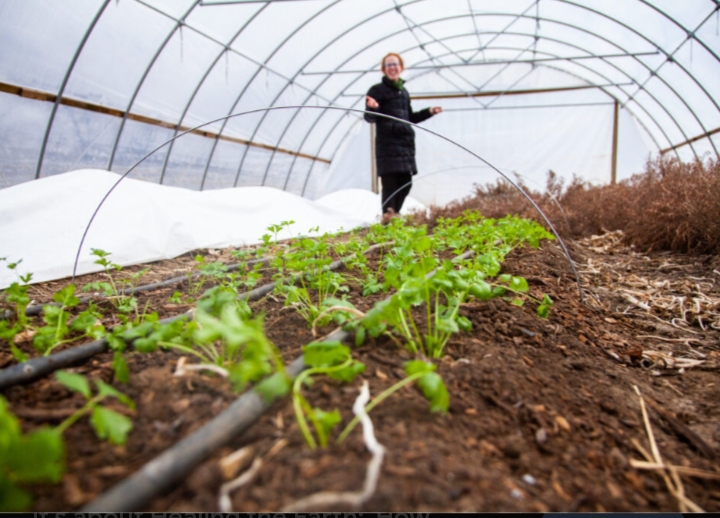
As the world moves toward sustainable agriculture, biodynamic farming has gained attention for its unique, holistic methodology. Unlike conventional or purely organic farming, it views the farm as a living organism, connecting soil, plants, animals, and even cosmic influences to create a balanced, regenerative system.
Understanding Biodynamic Farming
Developed by Rudolf Steiner in the early 20th century, biodynamic farming shares many principles with organic agriculture, such as avoiding synthetic chemicals, but adds a deeper, holistic perspective. Each component of the farm from crops and animals to compost and soil is considered interdependent, contributing to the overall vitality and health of the system.
Core Principles of Biodynamic Agriculture
1.Self-Sustaining Systems
Farms are designed to recycle nutrients through composting, crop rotation, and animal manure, minimizing reliance on external inputs.
2.Biodiversity and Integration
Diverse crops, livestock, and companion plants are cultivated to naturally enhance soil fertility, manage pests, and maintain ecological balance.
3.Cosmic and Lunar Cycles
Planting, cultivating, and harvesting are guided by lunar and planetary cycles, which are believed to influence plant growth and nutrient quality.
4.Special Preparations
Unique compost and soil treatments made from herbs, minerals, and fermented manure are applied to boost microbial activity and soil vitality.
Benefits of Biodynamic Farming
1.Enhanced Soil Health: Increased organic matter and microbial diversity create resilient, fertile soils.
2.Sustainability: Reduced chemical use and greater biodiversity support healthier ecosystems.
3.Higher Food Quality: Produce often shows improved nutrient content and shelf life.
4.Climate Resilience: Holistic farm design helps withstand extreme weather and supports long-term sustainability.
Biodynamic farming demands knowledge, careful planning, and significant labor. Initial yields may be lower than conventional farming, and while some practices like planting according to cosmic cycles lack extensive scientific evidence, many farmers report positive outcomes.
Biodynamic farming provides a holistic and regenerative approach to agriculture. By integrating natural cycles, farm diversity, and soil vitality, it supports both productive farming and ecological sustainability. For those seeking to align agriculture with nature, biodynamic methods offer a pathway to resilient and balanced farming systems.