
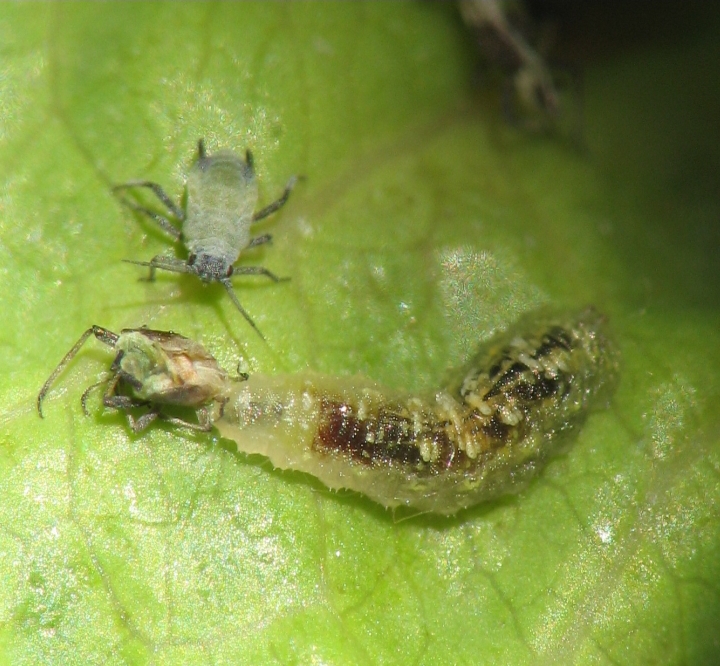
Biological pest control is a natural and eco-friendly method of managing pests by using their natural enemies. In tropical farming systems, where heat and humidity allow pests to multiply quickly, this approach provides a sustainable alternative to chemical pesticides. It helps maintain ecological balance while protecting crops and supporting long-term agricultural productivity.
What is Biological Control?
Biological control refers to the use of living organisms to suppress pest populations. These organisms include predators, parasites, disease causing microbes, and other natural competitors. The goal is not to completely eliminate pests, but to reduce their numbers to levels that do not cause serious damage to crops.
There are three main approaches to biological control. Classical biological control involves introducing natural enemies from a pest’s original habitat. Augmentative control includes the periodic release of beneficial organisms to increase their population. Conservation biological control focuses on preserving and encouraging naturally existing beneficial species in the environment.
Significance in Tropical Agriculture
Tropical climates create ideal conditions for pests to thrive, making pest management a major challenge for farmers. Crops such as rice, maize, cassava, and vegetables are frequently attacked by insects and diseases. Biological control is especially useful in these areas because it reduces dependence on synthetic chemicals, lowers long-term costs, and minimizes environmental harm.
It also helps protect important organisms like pollinators and soil microorganisms that contribute to healthy crop production.
Categories of Biological Control Agents
Biological control agents can be grouped based on how they interact with pests.
Predators are organisms that hunt and consume pests. For example, ladybirds feed on aphids, while spiders prey on various insect species.
Parasites, particularly parasitoids, lay their eggs on or inside pest organisms. The developing young eventually kill the host. Certain wasps are well-known for this role.
Pathogens such as bacteria, fungi, and viruses infect and destroy pests. A widely used example is Bacillus thuringiensis, which targets caterpillars.
Competitors limit pest populations by competing for resources like food and space, reducing the pests’ chances of survival.
Methods of Application
Farmers can apply biological control through different strategies. One approach is releasing beneficial organisms directly into the field. Another is creating conditions that attract and support natural enemies, such as planting diverse crops or maintaining vegetation around farms.
Microbial pesticides, made from natural organisms, can also be used. These function like chemical sprays but are safer for humans and the environment.
Benefits of Biological Control
This method offers several advantages. It is environmentally safe and reduces harmful chemical residues in food and soil. It supports biodiversity by protecting non-target organisms. Over time, it can provide lasting pest control as beneficial species become established. It also lowers the chances of pests developing resistance.
Limitations and Challenges
Biological control is not without drawbacks. It often works more slowly than chemical pesticides and requires careful planning. Its effectiveness can be influenced by environmental factors. Farmers also need adequate knowledge to use it successfully.
There is also a risk involved in introducing foreign species if they are not properly managed.
Recommended Practices
To achieve the best results, farmers should combine biological control with other pest management methods. Regular monitoring, proper pest identification, and reduced use of harmful chemicals are essential steps.
Encouraging biodiversity by planting flowering plants or maintaining natural habitats can help sustain beneficial organisms. Farmers should also consult agricultural experts when adopting new biological control techniques.
Conclusion
Biological pest control is an important tool for sustainable farming in tropical regions. By relying on natural processes, farmers can manage pests effectively while reducing environmental damage. Although it requires knowledge and careful application, it offers a reliable and long-term solution for healthier agricultural systems.