
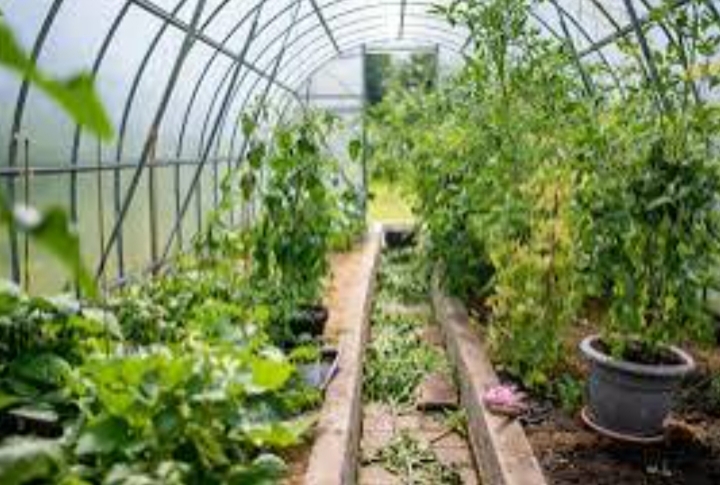
As climate change intensifies, farmers around the world are facing increasingly unpredictable weather conditions such as droughts, floods, heatwaves, and storms. These extreme events threaten food security and agricultural productivity. One promising solution is the cultivation of climate-resilient organic crops plants that are naturally capable of surviving and thriving under harsh environmental conditions without relying on synthetic chemicals.
Climate-resilient organic crops are varieties that have been selected or developed to tolerate environmental stresses such as high temperatures, water scarcity, excessive rainfall, and poor soil conditions. Because they are grown using organic farming methods, these crops depend on natural processes like composting, crop rotation, and biological pest control instead of chemical fertilizers and pesticides. This approach not only protects the environment but also improves soil health, making farmland more resilient to climate shocks.
Several crops are known for their ability to survive extreme weather. For example, sorghum and millet are drought-tolerant grains that grow well in dry climates with minimal water. Cassava is another resilient crop that can survive in poor soils and periods of drought. Legumes such as cowpeas also perform well under heat stress and help improve soil fertility by fixing nitrogen. These crops are especially valuable for farmers in regions prone to climate variability.
Organic farming practices further strengthen climate resilience. Techniques such as mulching help retain soil moisture during droughts, while diversified cropping systems reduce the risk of total crop failure. Healthy organic soils, rich in organic matter, can absorb more water during heavy rainfall and store moisture during dry periods. This natural resilience allows crops to better withstand extreme weather events.
Promoting climate resilient organic crops is important for sustainable agriculture and global food security. Governments, agricultural researchers, and farmers must work together to develop improved seed varieties, provide farmer education, and encourage the adoption of organic practices. Supporting these crops will help farming communities adapt to climate change while protecting ecosystems and producing healthier food.
In conclusion, climate resilient organic crops offer a practical and environmentally friendly strategy for coping with extreme weather conditions. By combining hardy crop varieties with sustainable organic farming methods, agriculture can become more adaptable, productive, and sustainable in a changing climate.