
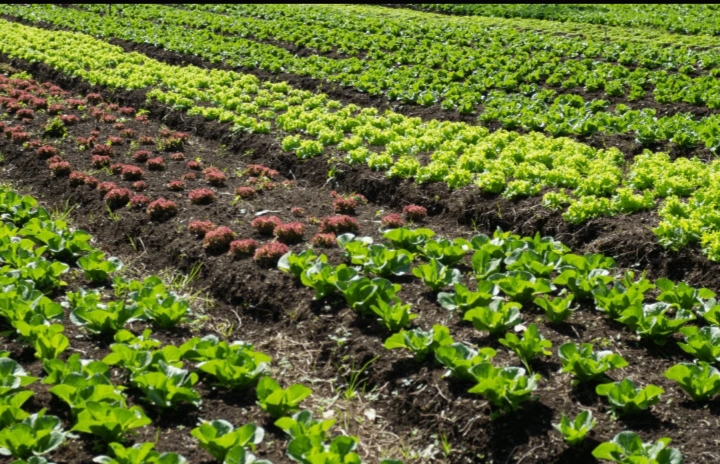
Sustainable farming thrives when we work with nature instead of against it. Two time-tested methods for keeping soil healthy and boosting crop yields are cover cropping and crop rotation. These practices have been used for generations and remain essential for farmers who want fertile soil, higher productivity, and reduced reliance on chemical fertilizers.
Understanding Cover Crops
Cover crops are plants grown mainly to improve the soil rather than for harvest. They are often planted between main crop cycles or alongside primary crops.
Popular cover crops include legumes like clover and beans, grasses such as rye, and plants like mustard. Each type contributes differently to soil health and fertility.
Advantages of Cover Crops
Cover crops offer numerous benefits:
- Enrich the soil: Legume cover crops naturally add nitrogen through a process called nitrogen fixation.
- Prevent erosion: They protect the soil from wind and water damage.
- Suppress weeds: Thick growth discourages weed development.
- Enhance soil structure: Roots loosen compacted soil and improve aeration.
- Retain moisture: Cover crops help soil hold water, reducing irrigation needs.
By boosting soil health naturally, cover crops can reduce dependence on synthetic fertilizers and pesticides.
Understanding Crop Rotation
Crop rotation is the practice of planting different crops in the same field over successive seasons or years. Instead of growing the same crop repeatedly, farmers alternate crops to maintain soil balance.
For example, maize may be grown one season, legumes the next, followed by a root crop.
Advantages of Crop Rotation
Crop rotation supports sustainable agriculture in several ways:
- Maintain nutrient balance: Different crops use and replenish soil nutrients differently, preventing depletion.
- Control pests and diseases: Rotating crops interrupts the life cycles of pests and pathogens.
- Improve soil fertility: Including legumes adds nitrogen naturally.
- Boost yields: Healthy soil supports stronger, more productive crops.
Combining Cover Crops and Crop Rotation
Used together, cover crops and crop rotation form a highly effective system for maintaining soil fertility. Cover crops restore nutrients and protect soil during fallow periods, while rotation ensures nutrients are efficiently used and replenished.
For instance, planting nitrogen-fixing cover crops before nutrient hungry crops like maize can significantly increase yields without chemical fertilizers.
Environmental Benefits
These natural practices also benefit the environment:
- Reduce the need for synthetic fertilizers and pesticides
- Lower the risk of water pollution from runoff
- Support soil biodiversity and overall ecosystem health
- Enhance carbon sequestration, helping mitigate climate change
Challenges to Consider
Implementing these methods requires careful planning:
- Farmers must understand compatible crop combinations
- Timing of cover crop planting and removal is crucial
- Initial adoption may require extra labor and resources
Despite these challenges, the long-term benefits usually outweigh the initial effort.
Conclusion
Cover crops and crop rotation are nature’s way of enriching soil and promoting sustainable farming. By improving soil health, increasing productivity, and reducing environmental impact, these practices offer a natural alternative to chemical heavy agriculture. Embracing them allows farmers to work in harmony with nature while ensuring long-term agricultural success.