
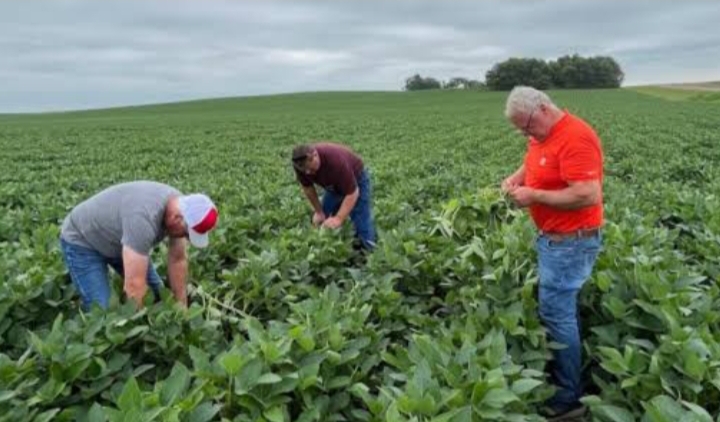
Agriculture plays a crucial role in supporting economies by providing food, employment, and income for millions of people. However, farming is heavily influenced by natural conditions that are beyond human control. Unpredictable weather patterns, pest attacks, plant diseases, and market changes can lead to significant crop losses. Crop insurance helps farmers manage these risks by offering financial protection when unexpected events affect production.
Understanding Crop Insurance
Crop insurance is a financial protection system that compensates farmers when their crops are damaged or yields decline due to unforeseen circumstances. Farmers pay a premium to an insurance provider, and if covered losses occur, they receive compensation to reduce the financial impact.
This support allows farmers to recover more easily and continue farming activities even after experiencing setbacks.
Importance of Crop Insurance
Farming requires substantial investment in inputs such as seeds, fertilizers, labor, and equipment. When crops fail, farmers risk losing both their income and production costs. Crop insurance reduces this risk by providing financial assistance during difficult seasons.
It also encourages farmers to adopt improved agricultural practices, as insurance coverage gives them confidence to invest in productivity. Additionally, crop insurance contributes to food security by helping farmers remain economically stable despite adverse conditions.
Risks Covered Under Crop Insurance
Most crop insurance policies protect farmers against several agricultural risks, including:
- Drought and low rainfall
- Flooding and excessive rain
- Pest outbreaks and crop diseases
- Storm damage, hail, and strong winds
- Fires and other natural disasters
The exact coverage depends on the policy and insurance provider.
Types of Crop Insurance
Various forms of crop insurance are designed to address different farming risks.
Yield-based insurance provides compensation when harvest output falls below an expected level.
Weather-index insurance offers payouts based on specific weather conditions such as rainfall or temperature measurements.
Revenue insurance protects farmers from both reduced production and falling market prices.
Each option serves different agricultural needs depending on local conditions.
Advantages of Crop Insurance
Crop insurance offers multiple benefits to farmers and rural communities:
- Income protection during poor harvests
- Financial recovery after natural disasters
- Better access to loans and agricultural credit
- Increased investment in modern farming techniques
- Reduced financial stress for farmers
By stabilizing farm income, crop insurance supports rural economic growth and sustainability.
Challenges in Implementing Crop Insurance
Despite its value, crop insurance programs face certain challenges. Many smallholder farmers are unaware of available schemes or struggle to afford premium payments. Delays in claim settlements can also reduce confidence in insurance systems. Additionally, assessing agricultural risks accurately can be complex for insurers.
To address these issues, governments and agricultural organizations often provide subsidies, training programs, and policy support to expand access to insurance services.
Technology and Crop Insurance
Technological advancements are transforming crop insurance systems. Tools such as satellite imagery, weather monitoring technology, and digital data collection improve the accuracy of damage assessment. Mobile platforms also make it easier for farmers to enroll, pay premiums, and submit claims.
These innovations help make insurance processes faster, more transparent, and more efficient.
The Future of Crop Insurance
With climate change increasing the likelihood of extreme weather events, crop insurance is becoming increasingly important. Expanding coverage, improving affordability, and educating farmers about insurance benefits will strengthen agricultural resilience.
Cooperation between governments, insurers, and farming communities will play a major role in developing reliable insurance systems that support farmers and ensure consistent food production.
Conclusion
Crop insurance acts as a financial safety net that helps farmers cope with unpredictable risks. By protecting against crop losses, it enables farmers to recover from disasters, maintain productivity, and secure their livelihoods. Strengthening crop insurance systems is essential for building a resilient agricultural sector and promoting long-term food security.