
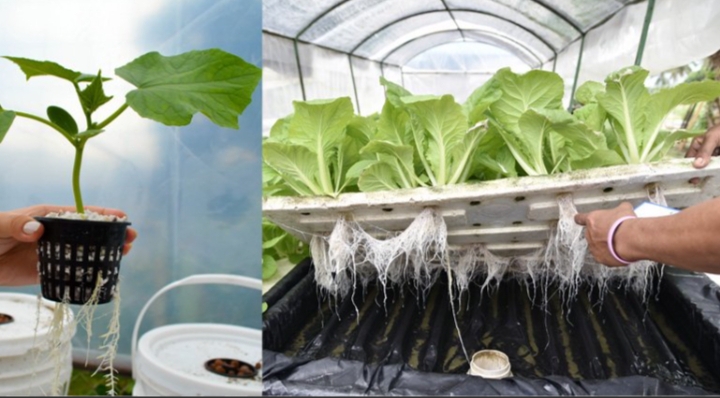
Deep Water Culture, commonly called DWC, is a hydroponic growing technique that allows plants to develop without soil. Instead of relying on earth for nutrients, plants grow with their roots placed directly in a nutrient-enriched water solution. This approach has gained popularity among hobbyists and commercial farmers because it encourages rapid plant growth while using resources efficiently.
Overview of the DWC Method
In a DWC system, plants are held above a container of water using mesh or net pots. Their roots hang down into a solution containing dissolved minerals essential for growth. Oxygen is continuously supplied to the water through an air pump, ensuring that the roots receive enough air while remaining submerged. This constant access to water, nutrients, and oxygen creates an ideal environment for plant development.
Components of a Typical Setup
A standard Deep Water Culture system usually includes:
- A water reservoir that stores the nutrient mixture
- Net pots to support the plants
- A neutral growing medium to anchor roots
- An air pump connected to an air stone for oxygenation
- A prepared nutrient solution tailored to plant needs
These elements work together to maintain a stable growing environment.
Advantages of Deep Water Culture
Rapid Development
Because nutrients are immediately available, plants often grow more quickly than those cultivated in soil.
Improved Productivity
Healthy root exposure to oxygen and nutrients can lead to increased plant output, especially for leafy crops.
Efficient Water Use
Water circulates within the system, reducing waste and making the method suitable for areas where water conservation is important.
Ease of Operation
DWC systems are relatively simple compared to other hydroponic techniques, making them accessible to beginners.
Fewer Soil-Related Issues
Growing without soil helps minimize weeds and many common plant diseases.
Suitable Crops
This system is particularly effective for smaller plants and fast-growing varieties such as leafy vegetables and culinary herbs. Larger plants may also be grown but often require extra structural support.
Important Growing Conditions
Maintaining proper oxygen supply is essential for root health. Growers must also monitor nutrient strength and pH levels since plants rely entirely on the solution for nourishment. Keeping water temperatures moderate helps prevent stress and reduces the risk of harmful microorganisms. Regular system cleaning also promotes healthier growth.
Potential Difficulties
Although DWC is straightforward, challenges can arise if conditions are not carefully managed. Poor aeration may damage roots, incorrect nutrient levels can affect plant health, and exposure of water to light may encourage algae growth. Consistent monitoring usually prevents these problems.
Comparison With Soil Cultivation
Compared with traditional gardening, Deep Water Culture allows more precise control over nutrients and often produces faster growth while using less water. However, it depends on equipment and electricity, which require ongoing attention.
Environmental Impact
Hydroponic techniques like DWC support modern sustainable agriculture by enabling food production in limited spaces and locations where soil quality is poor. Indoor and urban farms frequently use this method to produce crops year-round.
Summary
Deep Water Culture hydroponics provides a practical alternative to soil-based farming by delivering nutrients and oxygen directly to plant roots. With proper management, it offers efficient resource use, strong plant growth, and reliable harvests, making it an appealing option for both new and experienced growers.