
In the quest for sustainable food preservation, edible coatings have emerged as a promising solution. These coatings act as thin, consumable layers applied to the surface of food products to extend shelf life, maintain quality, and reduce postharvest losses. Among the various natural materials used, local waxes—particularly beeswax—stand out for their effectiveness, safety, and availability.
What are Edible Coatings?
Edible coatings are thin films made from natural, food-grade materials that can be safely consumed. Unlike synthetic packaging, they are designed to be part of the food product. These coatings help to:
- Reduce moisture loss
- Slow down respiration rates in fruits and vegetables
- Prevent microbial spoilage
- Enhance appearance and shine
By acting as a protective barrier, edible coatings can significantly prolong the shelf life of perishable products without the environmental burden of plastics.
Beeswax as an Edible Coating
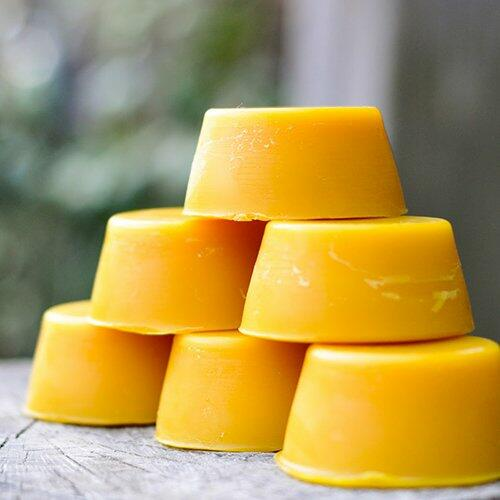
Beeswax, a natural wax produced by honeybees, has been used for centuries in food preservation and medicinal applications. It is composed mainly of esters, fatty acids, and hydrocarbons, giving it hydrophobic (water-resistant) properties—ideal for creating protective coatings on fresh produce.
Benefits of Beeswax Coatings:
- Moisture Control – Beeswax coatings minimize water loss in fruits like apples, citrus, and tomatoes, keeping them fresh for longer.
- Gas Barrier – They regulate oxygen and carbon dioxide exchange, slowing down ripening and senescence.
- Antimicrobial Properties – Beeswax naturally resists microbial growth, reducing the risk of spoilage.
- Gloss and Appeal – Produce coated with beeswax often has an enhanced shine, increasing its attractiveness in markets.
- Biodegradable and Non-toxic – As a natural material, beeswax is safe for consumption and environmentally friendly.
Other Local Waxes with Potential
While beeswax is the most commonly studied, other local waxes such as carnauba wax (from palm leaves), rice bran wax, and candelilla wax also have potential in edible coating applications. These natural alternatives can be sourced locally, promoting sustainable agriculture and reduced dependency on synthetic materials.
Applications in Food Systems
- Fruits and Vegetables – Apples, mangoes, oranges, cucumbers, and tomatoes can stay fresher longer with beeswax-based coatings.
- Confectionery – Used to provide a glossy finish and prevent stickiness in candies and chocolates.
- Bakery Products – Edible wax coatings can extend freshness by controlling moisture migration.
Challenges and Considerations
Despite their advantages, edible coatings from beeswax and other local waxes face some challenges:
- Cost of extraction and processing
- Variability in quality depending on local sources
- Consumer awareness and acceptance
- Regulatory approvals in some regions
Ongoing research is focusing on combining beeswax with biopolymers (like starch or chitosan) and essential oils to enhance functionality and antimicrobial effects.
The Future of Beeswax-Based Edible Coatings
With increasing concerns about plastic pollution and food waste, beeswax and other natural waxes offer a dual advantage: eco-friendly packaging and enhanced food preservation. For local farmers and producers, this represents an opportunity to add value to agricultural products, reduce losses, and meet consumer demand for natural, sustainable solutions.
Disclaimer
This article is for educational and informational purposes only. It is not intended as food processing or regulatory advice. While beeswax and other natural waxes are generally recognized as safe, their use in commercial food systems should comply with relevant food safety standards and regulatory approvals in each country.