
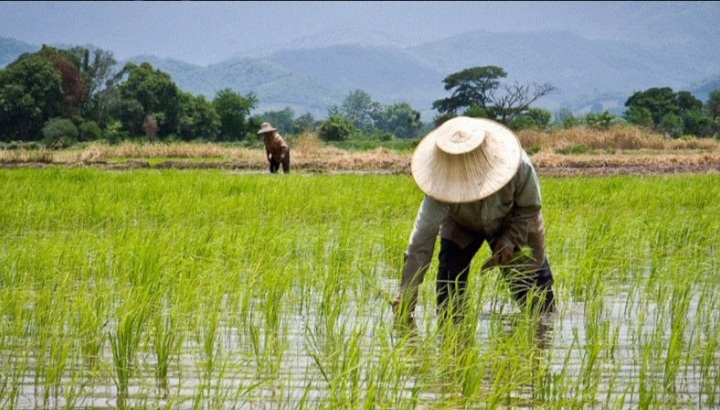
Rice is a major staple food in Nigeria and plays a vital role in ensuring food security, supporting the economy, and providing livelihoods for many rural households. In recent years, the demand for rice in Nigeria has grown significantly due to population increase, urbanization, and changing eating habits. Despite this growing demand, local rice production has not kept pace, leading to a continued dependence on imported rice. Therefore, increasing rice yield within the country is crucial for achieving food self-sufficiency, boosting farmers’ incomes, and strengthening the agricultural sector.
One of the primary factors limiting rice productivity in Nigeria is the use of poor-quality seeds. Many farmers still rely on traditional seed varieties that generally produce lower yields and are more susceptible to pests, diseases, and harsh environmental conditions. The adoption of improved and certified rice seeds can greatly enhance productivity. These improved varieties are often developed to mature quickly, resist common diseases, and produce higher yields under local environmental conditions. Making these seeds accessible through government initiatives, agricultural organizations, and seed companies is essential.
Soil fertility is another important factor affecting rice production. Continuous cultivation without proper soil management can result in the depletion of essential nutrients, which ultimately reduces crop yields. Farmers can improve soil quality by applying the right fertilizers, using organic manure, and practicing crop rotation. Conducting soil tests can also help determine the specific nutrient needs of farmland, allowing farmers to apply fertilizers more effectively and sustainably.
Water availability and management also play a significant role in rice farming. Although rice is commonly grown in flooded fields, many Nigerian farmers depend on rainfall, which can be unreliable due to climate variability. Expanding irrigation systems and encouraging water-efficient farming practices can help ensure consistent rice production throughout the year. Small-scale irrigation technologies such as pumps and boreholes can particularly benefit smallholder farmers.
Another strategy for improving rice yield is the adoption of agricultural mechanization. A large number of farmers still perform farming operations manually, including planting, weeding, and harvesting. This limits productivity and the size of farmland that can be cultivated. Introducing affordable farming machinery such as rice planters, weeders, and harvesters can increase efficiency, reduce labor requirements, and minimize post-harvest losses.
Controlling pests and diseases is equally important in increasing rice productivity. Problems such as stem borers, birds, and rice blast disease can significantly reduce harvests if they are not properly managed. Farmers need training on integrated pest management techniques that combine resistant crop varieties, biological control methods, and the safe use of pesticides. Agricultural extension services can play an important role in providing farmers with the knowledge needed to manage these threats effectively.
Post-harvest practices also influence the overall productivity of the rice sector. In Nigeria, a considerable amount of rice is lost after harvest due to poor storage facilities, inefficient processing methods, and outdated milling equipment. Improving storage systems, introducing modern rice mills, and training farmers on proper drying and handling techniques can help reduce these losses and improve the quality of locally produced rice.
Finally, strong government support and effective agricultural policies are necessary to boost rice production in Nigeria. Investments in agricultural research, rural infrastructure, credit access, and farmer training programs can encourage the adoption of improved farming technologies. Supporting farmer cooperatives can also improve access to inputs, markets, and financial resources.
In summary, increasing rice yield in Nigeria requires a combination of improved seed varieties, better soil and water management, increased mechanization, effective pest control, improved post-harvest handling, and supportive government policies. By implementing these strategies, Nigeria can enhance its rice production capacity, reduce reliance on imports, and improve the livelihoods of farmers nationwide