
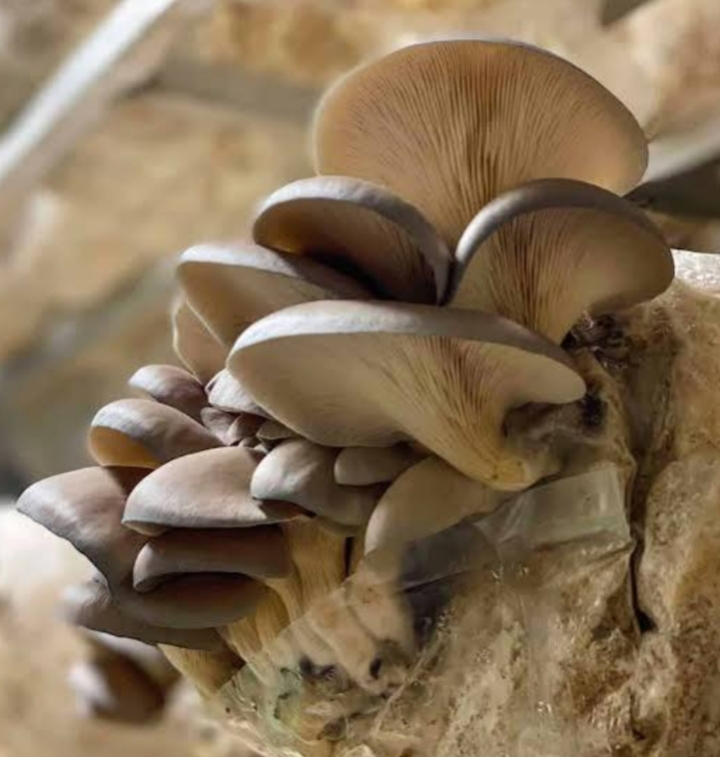
When people hear the word “fungi,” they often think of edible mushrooms sold in grocery stores. Yet the fungal kingdom offers far more than culinary value. From restoring soil health to producing sustainable materials, fungi are emerging as powerful allies in reshaping agriculture. Working with fungi is not simply about mushroom cultivation it is about collaborating with living underground systems that support plant life and ecological balance.
The Underground Web of Life
Healthy soils contain intricate networks of fungal filaments known as mycelium. These networks form mutually beneficial relationships with plant roots, called mycorrhizae. Through these partnerships, fungi help plants absorb nutrients such as phosphorus and nitrogen while receiving sugars produced through photosynthesis.
One major group, arbuscular mycorrhizal fungi, extends the effective root system of crops, improving access to water and minerals. This natural alliance strengthens plant growth, boosts drought resistance, and enhances overall soil structure. By encouraging these fungal communities, farmers can reduce dependence on chemical fertilizers and promote more sustainable crop production.
Reviving Soil and Capturing Carbon
Intensive farming practices have degraded soils in many regions. Fungi play a key role in rebuilding soil fertility. Their thread like structures bind soil particles together, improving aeration and water retention.
Fungal networks also contribute to carbon storage. They move carbon from plants into the soil, where it can remain for extended periods. Supporting fungal life through reduced tillage, cover crops, and organic amendments can therefore improve soil health while helping mitigate climate change.
Natural Crop Protection
Certain fungi serve as biological tools for managing pests and diseases. Some species compete with or suppress harmful pathogens in the soil, while others infect insect pests, reducing crop damage without synthetic chemicals.
These beneficial fungi are increasingly incorporated into integrated pest management systems, offering farmers environmentally friendly alternatives to conventional pesticides.
Fungi in Tree Based Farming Systems
Fungi are essential partners in forests, and this relationship can be applied in agroforestry systems as well. Mycorrhizal associations enhance tree establishment and productivity. High value crops like truffles rely on inoculating tree roots with specific fungal species such as Tuber melanosporum.
By integrating fungal management into tree farming, producers can cultivate timber, fruits, nuts, medicinal mushrooms, and specialty products within diverse and resilient landscapes.
Growing Materials from Mycelium
Fungi also present opportunities beyond food and soil improvement. Mycelium can be grown into biodegradable packaging, insulation, and leather like materials. Companies such as Ecovative Design have pioneered the development of these mycelium based products.
Using agricultural residues as a growth medium, farmers can transform waste streams into valuable, eco friendly materials supporting circular and regenerative economies.
Fungal Fermentation and Alternative Proteins
Filamentous fungi are cultivated to produce high protein foods and animal feed. Mycoprotein, for instance, is used in plant based products manufactured by Quorn.
Because fungi grow rapidly on relatively low inputs, they offer an efficient method of protein production with a smaller environmental footprint than traditional livestock farming. On site fermentation systems could one day enable farms to generate their own alternative protein sources.
Cleaning the Environment with Fungi
Some fungi can break down pollutants in soil and water, a process known as mycoremediation. They are capable of degrading oil residues, pesticide contamination, and other harmful compounds. This ability makes fungi valuable tools for restoring degraded farmland and contaminated environments.
Harnessing fungi in agriculture requires thoughtful management. Excessive soil disturbance and chemical inputs can damage beneficial fungal communities. However, as scientific understanding of soil microbiology grows, farmers are gaining better strategies to cultivate and maintain these partnerships.
Ultimately, the future of agriculture may depend as much on invisible underground networks as on visible crops above ground. Fungi offer a pathway toward more regenerative, resilient, and sustainable farming systems proving that their potential extends far beyond the mushroom cap.