
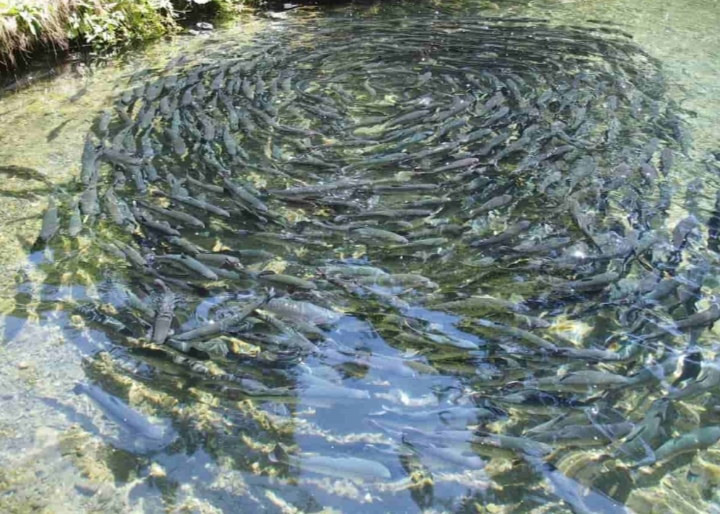
Fish farming, also called aquaculture, is gaining popularity as the demand for fish continues to increase. It provides both a reliable source of food and an opportunity for income generation. Establishing a properly planned fish pond is a key step toward building a successful fish farming operation. Careful preparation and good management create a healthy environment that supports efficient fish growth.
Choosing the Right Location
Selecting an appropriate site is essential when starting a fish pond. The location should provide a steady supply of clean water and be protected from flooding and contamination. Areas with clay or loamy soil are ideal because they retain water effectively. The site should also be easily accessible for feeding, monitoring, and harvesting activities while remaining far from polluted runoff or industrial waste sources.
Selecting the Type of Fish Pond
Fish ponds can be constructed in different forms depending on available resources, space, and farming objectives. Earthen ponds are widely used because they are cost-effective and suitable for larger operations. Concrete ponds are more durable and easier to manage but require higher investment. Plastic or tarpaulin ponds are common for small-scale farming due to their simple installation, while tank or fiber systems are useful in limited spaces or intensive production setups.
Pond Size and Design
The dimensions of a pond should match the farmer’s production goals and available land. Beginners often benefit from starting with smaller ponds that are easier to manage. A depth of about one to one and a half meters helps maintain stable water temperatures. Strong pond walls prevent collapse, while properly designed inlet and outlet systems allow water control and drainage, making cleaning and harvesting more efficient.
Water Supply and Quality
Good water quality plays a major role in fish survival and growth. A reliable water source such as a borehole, stream, or rainwater system is necessary. The water should be clean, free from unpleasant odors, and contain sufficient oxygen. Maintaining a balanced pH level and suitable temperature helps reduce stress and disease among fish. Regular monitoring ensures a stable aquatic environment.
Preparing the Pond Before Stocking
Proper pond preparation is required before introducing fish. The pond should be cleared of weeds and debris, and lime may be applied to correct water acidity when necessary. Water should be added gradually, allowing beneficial microorganisms to develop naturally. Inspecting the pond for leaks or structural issues before stocking helps prevent future problems.
Choosing Fish Species
The choice of fish species depends on environmental conditions, feeding availability, and market demand. Species such as catfish, tilapia, and carp are commonly raised because they grow quickly, adapt well to different conditions, and are widely accepted in local markets.
Stocking the Pond
Stocking involves introducing healthy young fish into the pond. Fingerlings should be active, uniform in size, and free from disease signs. Overstocking should be avoided to prevent competition for oxygen and food. Gradually adjusting the fish to pond water conditions helps reduce stress and improves survival rates.
Feeding and Management
Proper feeding supports healthy development and faster growth. Fish can be fed commercial feeds or carefully prepared local alternatives. Feeding should occur at consistent times, and excess feed should be avoided to prevent water contamination. Observing fish during feeding helps farmers identify health or environmental problems early.
Pond Maintenance and Health Management
Regular maintenance keeps the pond environment stable and productive. Removing leftover feed and waste, monitoring water levels, and protecting fish from predators are important management practices. Close observation of fish behavior allows early detection of disease or stress, reducing potential losses.
Harvesting Fish
Fish are ready for harvest once they reach the desired market size, which varies depending on species and feeding practices. Harvesting may be done gradually or all at once based on production plans. Proper handling during harvest helps maintain fish quality and reduces stress.
Benefits of Fish Farming
Fish farming provides numerous advantages, including a steady income source, high demand for fish protein, efficient use of land and water resources, and suitability for both small-scale and commercial farming. The relatively short production cycle also allows farmers to generate returns within a reasonable period.
Conclusion
Setting up a fish pond requires thoughtful planning, proper construction, and consistent management. By selecting a suitable location, maintaining good water quality, choosing appropriate fish species, and practicing effective feeding and maintenance routines, farmers can achieve productive and sustainable fish farming operations.