Greenhouse technology has transformed vegetable farming by providing controlled environments that maximize plant growth and output. It allows farmers to produce high quality vegetables year round, regardless of weather or seasonal changes.
1. Understanding Greenhouse Technology
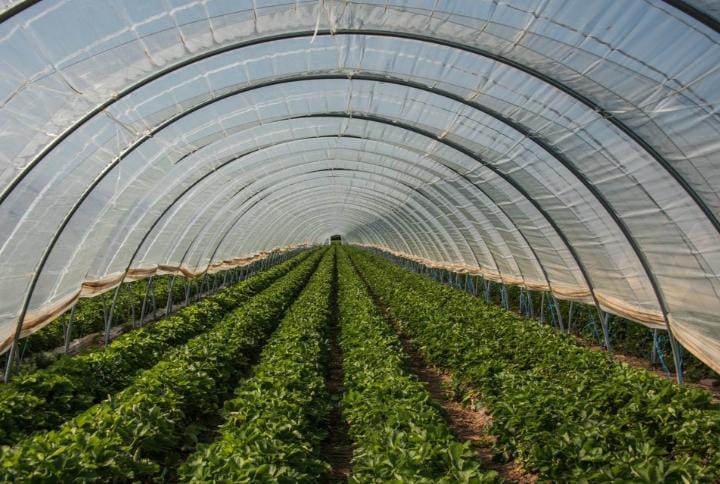
A greenhouse is a structure covered with transparent materials such as glass, polycarbonate, or plastic sheets. These materials trap sunlight and create a regulated environment for plants. By controlling temperature, humidity, light, and carbon dioxide levels, greenhouses help vegetables grow faster, resist pests, and achieve higher yields.
This method is especially useful in areas with harsh weather, allowing cultivation of vegetables such as tomatoes, cucumbers, peppers, lettuce, spinach, and herbs throughout the year.
2. Different Types of Greenhouses
Greenhouses vary according to their design and climate control features:
- Traditional Greenhouses – Simple structures using natural sunlight and ventilation, suitable for moderate climates.
- Venlo Greenhouses – Glass-panelled commercial greenhouses with advanced ventilation systems.
- Polyhouses – Cost-effective greenhouses covered with polyethylene film, commonly used in developing regions.
- High-tech Controlled Greenhouses – Equipped with automated systems for regulating temperature, humidity, irrigation, and nutrients, ideal for large-scale or high-value crops.
3. Key Components of a Vegetable Greenhouse
Successful greenhouse farming relies on several essential elements:
- Framework: Made from steel, aluminum, or wood to support the structure.
- Covering Material: Transparent sheets that allow sunlight while retaining heat.
- Ventilation: Natural or mechanical systems to control air circulation and temperature.
- Irrigation: Drip systems are commonly used for efficient water and nutrient delivery.
- Heating and Cooling: Heaters, fans, or evaporative coolers maintain optimal temperatures.
- Lighting: Supplemental LED or fluorescent lights boost growth in low-light conditions.
- Automation and Sensors: Systems monitor temperature, humidity, soil moisture, and light, automating irrigation and climate control.
4. Benefits of Greenhouse Vegetable Production
- Year-round Cultivation: Enables growing crops in all seasons.
- Increased Yield: Controlled environments accelerate growth and improve productivity.
- Better Quality: Vegetables are healthier, uniform, and less affected by stress.
- Pest and Disease Control: Reduced exposure to external pests and diseases.
- Efficient Resource Use: Water and nutrients are supplied precisely, minimizing waste.
5. Challenges and Considerations
Despite its advantages, greenhouse farming has some limitations:
- High Initial Investment: Building and equipping advanced greenhouses can be costly.
- Energy Needs: Maintaining optimal temperature and lighting consumes energy.
- Technical Skills Required: Farmers need knowledge to manage greenhouse systems effectively.
- Ongoing Maintenance: Regular upkeep of structures and equipment is essential.
6. Emerging Trends
The future of greenhouse vegetable production is moving toward smart greenhouses using IoT, AI, and renewable energy. These technologies can monitor plant needs, automate nutrient delivery, and optimize microclimates. Vertical farming within greenhouses is also becoming popular, especially in urban areas with limited land.
Greenhouse technology has become a key tool in modern vegetable farming. It enables higher yields, better-quality produce, and sustainable practices. By adopting controlled environment systems and modern innovations, farmers can ensure a steady supply of fresh vegetables and meet growing market demands.