
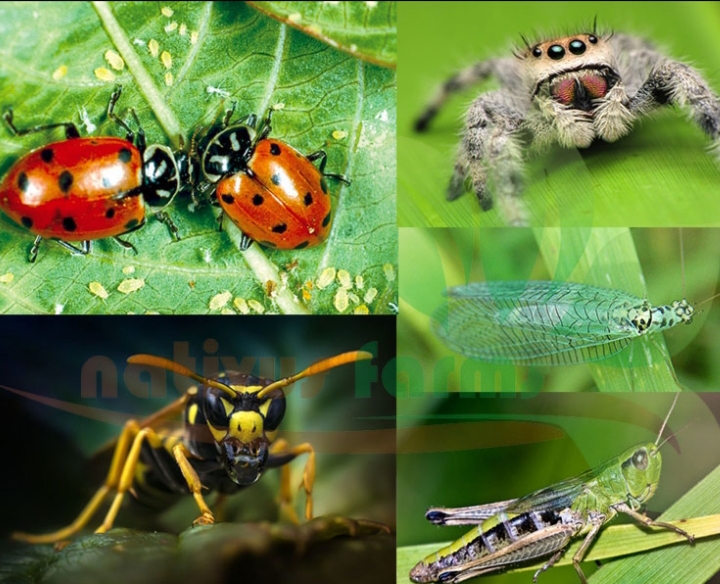
In organic farming, maintaining healthy crops and controlling pests without chemicals is essential. One of the most effective natural solutions is the use of beneficial insects. These helpful species manage pests, support pollination, and promote a balanced ecosystem, reducing the need for synthetic interventions.
What Are Beneficial Insects?
Beneficial insects are those that either prey on harmful pests or assist with pollination. Unlike destructive pests, they contribute to the health and productivity of your farm.
Major types include:
- Predators: Insects such as ladybugs that consume aphids, mites, and caterpillars.
- Parasitoids: Certain wasps that lay eggs inside pests, naturally controlling their numbers.
- Pollinators: Bees, butterflies, and hoverflies that improve plant reproduction and yields.
Benefits of Beneficial Insects
- Natural Pest Management
Predatory and parasitic insects reduce pest populations without harming crops or the environment. - Less Dependence on Chemicals
By using natural predators, farmers can avoid synthetic pesticides, keeping produce truly organic. - Improved Pollination
Pollinators like honeybees and bumblebees enhance fruiting and vegetable crops, increasing both yield and quality. - Balanced Farm Ecosystem
A healthy population of beneficial insects prevents pest outbreaks and maintains ecological stability.
How to Encourage Beneficial Insects
Organic farmers can attract and support these helpful insects with simple practices:
- Plant a Variety of Flowers and Herbs: Plants like marigolds, dill, and clover provide food and shelter.
- Avoid Broad-Spectrum Pesticides: These chemicals can kill beneficial insects as well as pests.
- Create Habitats: Leave areas of natural vegetation or install insect hotels for nesting and overwintering.
- Stagger Crop Planting: Ensures a continuous food source for beneficial insects throughout the season.
Examples of Beneficial Insects
- Ladybugs: Feed on aphids, mites, and scale insects.
- Lacewings: Target caterpillars, aphids, and mealybugs.
- Parasitic Wasps: Control pests like whiteflies and leaf miners.
- Bees and Bumblebees: Pollinate vegetables, fruits, and flowers.
- Predatory Beetles: Help manage slugs, snails, and larvae.
Monitoring and Farm Management
While beneficial insects are powerful allies, their effectiveness depends on proper monitoring:
- Inspect crops regularly for pests and beneficial species.
- Maintain plant diversity to support multiple insect populations.
- Combine insect use with other organic practices like crop rotation and mulching for best results.
Conclusion
Beneficial insects are invaluable partners for organic farming. They naturally control pests, support pollination, and help maintain a sustainable farm ecosystem. By fostering these insects through diverse plantings, habitats, and careful management, organic farmers can reduce chemical use, protect crops, and encourage soil and environmental health.
Incorporating beneficial insects strengthens farm productivity while promoting a resilient, eco-friendly farming system.