
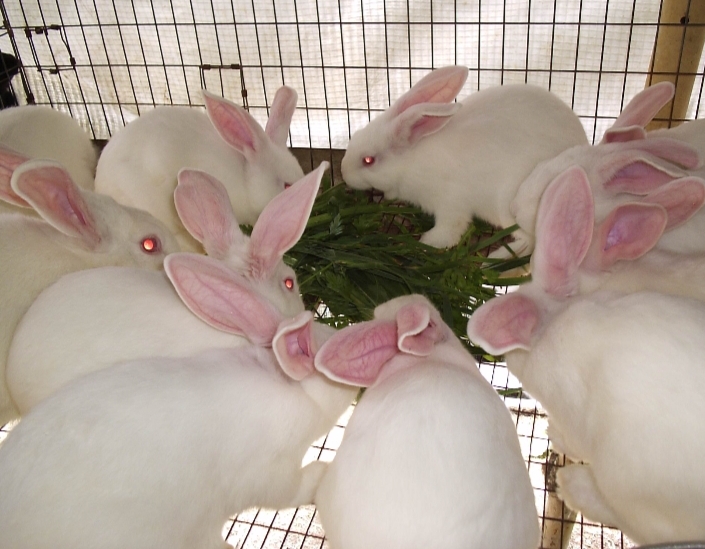
Rabbit breeding and rearing can be a fulfilling activity as well as a profitable farming venture. Rabbits are known for their rapid reproduction, relatively low feeding expenses, and adaptability to different environments. Whether raised for meat production, pets, or small-scale farming, proper knowledge of breeding and care is necessary to ensure healthy animals and successful results.
Selecting the right breed is the first step in raising rabbits. Different breeds serve different purposes, such as meat production, fur quality, or companionship. Popular meat breeds include New Zealand White and Californian rabbits because of their fast growth and strong reproductive ability, while breeds like the Dutch rabbit are commonly kept as pets. Choosing healthy rabbits from reliable breeders helps ensure strong genetics and resistance to disease.
Providing suitable housing is essential for rabbit welfare. Rabbits should be kept in clean, well-ventilated hutches that protect them from harsh weather and predators. Raised cages help maintain cleanliness, while proper airflow reduces heat stress. Bedding should remain dry, and males and females should be housed separately except during breeding. Regular cleaning helps prevent illness and keeps the environment hygienic.
Understanding basic breeding practices is important for successful reproduction. Healthy, active rabbits that have reached breeding age—usually around five to six months for medium breeds—should be selected. Breeding closely related rabbits should be avoided to prevent genetic problems. During mating, the female should be taken to the male’s cage, as males perform better in familiar surroundings.
Rabbit pregnancy lasts about 28 to 31 days. During this period, the female requires good nutrition, constant access to clean water, and minimal stress. A nesting box should be placed in the cage a few days before birth. The mother typically prepares the nest by pulling fur from her body to keep the newborns warm.
Baby rabbits, known as kits, are born without fur and with closed eyes. The mother usually feeds them once or twice daily. Disturbing the nest should be avoided unless necessary, but regular checks ensure the kits are warm and healthy. Their eyes generally open after about ten days.
Proper feeding plays a major role in rabbit growth and health. A balanced diet includes hay or fresh grasses as the main food source, supplemented with rabbit pellets, vegetables in moderation, and clean drinking water at all times. Sudden dietary changes should be avoided because rabbits have sensitive digestive systems.
Young rabbits begin nibbling solid food at two to three weeks of age and are typically weaned between four and six weeks. After weaning, young rabbits should be separated by sex at around eight weeks to prevent early breeding. Adequate space and regular monitoring help support healthy development.
Maintaining good hygiene and monitoring health daily are key to preventing disease. Signs such as loss of appetite, discharge from the nose or eyes, diarrhea, or unusual inactivity may indicate illness. Keeping cages clean and removing leftover food reduces the risk of infections and parasites.
Effective breeding management includes allowing females time to recover between pregnancies, keeping accurate breeding records, and replacing older breeding animals when fertility decreases. Proper management helps maintain productivity and ensures healthier offspring.
Raising rabbits offers several advantages, including fast reproduction, minimal space requirements, relatively low feeding costs, and quick growth rates. These qualities make rabbit farming suitable for beginners and small-scale agricultural projects.
Successful rabbit breeding and rearing depend on proper planning, balanced nutrition, clean housing, and consistent care. With good management practices and attention to animal health, raising rabbits can become a sustainable and rewarding activity.