
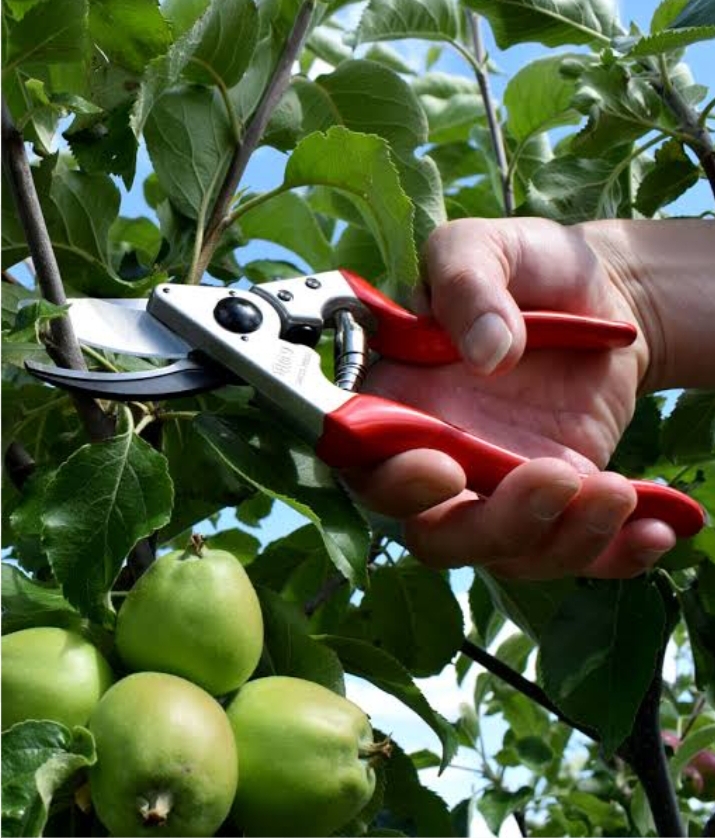
Pruning is an essential part of maintaining fruit trees. When carried out correctly, it promotes healthy development, improves fruit quality, and helps trees remain strong and easy to manage. Although many people hesitate to cut branches, pruning is actually beneficial and necessary for productive trees. This article explains the importance of pDruning, the right time to do it, and the correct methods for pruning fruit trees effectively.
Importance of Pruning Fruit Trees
Fruit trees often produce more branches than they need. Some branches compete for nutrients and reduce overall productivity. Proper pruning helps to remove unhealthy or broken branches, improve airflow within the tree canopy, allow sunlight to reach more parts of the tree, encourage stronger branch growth, increase fruit size and quality, and keep the tree at a manageable height. Trees that are not pruned regularly may become overcrowded and produce fewer or smaller fruits.
When to Prune Fruit Trees
The best pruning time depends on the species and local weather conditions, but some general guidelines apply. Pruning during the late dry season or just before new growth starts is ideal for most fruit trees because cuts heal faster, the branch structure is easier to see, and new growth becomes stronger. Light pruning during the growing season can help control excessive growth and remove unwanted shoots. Heavy pruning should be avoided during flowering periods or during extreme weather conditions such as intense heat or heavy rainfall.
Tools Required for Pruning
Using proper tools ensures clean cuts and prevents disease spread. Common tools include hand pruners for small branches, loppers for medium-sized branches, and a pruning saw for thicker limbs. Protective gloves and eye protection are also recommended. Tools should always be sharp and disinfected before use.
Key Principles of Pruning
Before beginning, remember some basic principles. Remove dead, diseased, and damaged branches first. Create an open structure that allows sunlight to reach inside the tree. Prevent branches from crossing or rubbing against each other, and maintain a balanced and natural tree shape.
Steps for Pruning a Fruit Tree
Start by examining the tree carefully and observing its overall shape. Identify branches that need removal before making cuts. Remove dead or diseased branches by cutting back to healthy wood using smooth, clean cuts. Eliminate crossing branches by keeping the stronger one and removing the weaker branch. Remove water sprouts and suckers since they consume nutrients without producing fruit. Thin dense areas to improve airflow and sunlight penetration, then shape the tree by developing evenly spaced main branches that form a strong framework.
Types of Pruning Shapes
The open-center shape keeps the middle of the tree open, allowing better light penetration and is suitable for peaches, plums, and apricots. The central-leader shape involves one main upright trunk with side branches and is commonly used for apples and pears because it supports heavy fruit loads.
How Much Pruning Is Appropriate?
As a general rule, avoid removing more than one-quarter to one-third of the tree at a time. Excessive pruning can weaken the tree and reduce fruit production.
Mistakes to Avoid
Common mistakes include cutting too close to the trunk, leaving long branch stubs, using blunt tools, pruning at unsuitable times, and removing too many fruit-bearing branches.
Care After Pruning
After pruning, clear away cut branches and debris, water the tree properly, apply mulch to retain soil moisture, and monitor the tree for signs of pests or disease. Most trees heal naturally and do not require wound sealants.
Long-Term Benefits of Pruning
Regular pruning helps fruit trees produce larger and better-quality fruits, remain easier to manage and harvest, stay healthy for longer periods, and resist pests and diseases more effectively.
Conclusion
Pruning fruit trees combines practical knowledge with careful observation. By learning proper timing and techniques, growers can improve tree health and increase harvest success. Beginning with small cuts, focusing on removing unhealthy growth, and maintaining a balanced structure will help ensure productive and long-lasting fruit trees.