
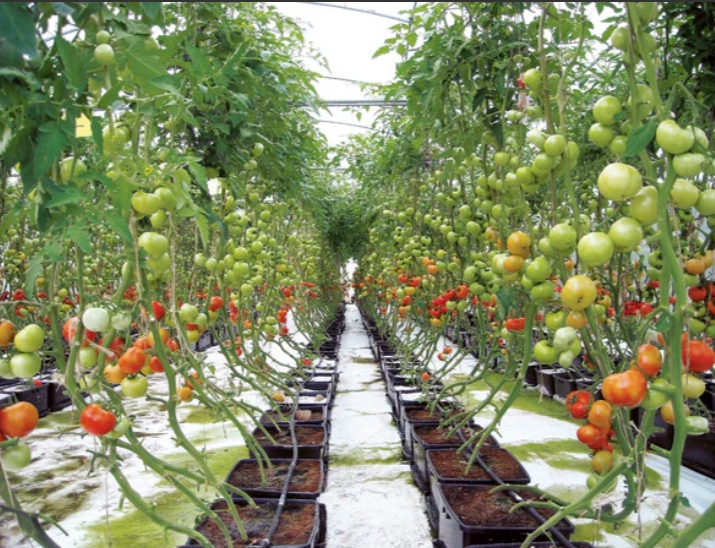
Introduction
Hydroponic farming is a modern agricultural method that allows crops to grow without soil by using nutrient-enriched water solutions. Tomatoes are widely grown in hydroponic systems because they adapt easily to controlled environments and produce abundant harvests. When properly managed, hydroponic tomatoes grow quickly, remain healthy, and can be produced all year round.
Understanding Hydroponic Tomato Production
In hydroponic cultivation, tomato plants receive water, oxygen, and nutrients directly through a solution rather than from soil. Growing media such as coco coir, rockwool, or clay pellets are used to support the plants while nutrients circulate through the system.
Common hydroponic setups for tomato cultivation include:
- Deep Water Culture (DWC)
- Nutrient Film Technique (NFT)
- Drip irrigation systems
- Dutch bucket systems
These systems enable growers to carefully control plant nutrition and environmental conditions.
Choosing Appropriate Tomato Varieties
Selecting suitable tomato varieties plays an important role in successful hydroponic production.
Recommended varieties include:
- Cherry tomatoes, which are beginner-friendly
- Roma tomatoes, commonly used for cooking
- Beefsteak tomatoes, known for larger fruits
- Determinate or compact varieties for smaller growing areas
Smaller tomato types are often easier to manage indoors because they mature faster and require less structural support.
Providing Adequate Lighting
Tomatoes need strong and consistent lighting for proper growth and fruit development.
Useful guidelines:
- Provide 12–16 hours of light each day.
- Use energy-efficient LED grow lights.
- Keep lights approximately 30–60 cm above the plants.
Poor lighting conditions may lead to weak growth and fewer flowers.
Nutrient Solution Management
Because hydroponic plants depend entirely on nutrient solutions, maintaining proper nutrient balance is essential.
Important nutrients include:
- Nitrogen for leaf and stem growth
- Phosphorus for root and flower formation
- Potassium for fruit development
- Calcium and magnesium to prevent nutrient deficiencies
Nutrient concentrations should be adjusted according to growth stages, with higher nitrogen during early growth and increased potassium during flowering and fruiting.
Maintaining pH and Electrical Conductivity (EC)
Water quality strongly influences nutrient absorption.
Recommended levels:
- pH range: 5.5–6.5
- EC range: 2.0–3.5 mS/cm depending on plant development
Regular monitoring helps avoid nutrient imbalance and supports healthy plant growth.
Controlling Temperature and Humidity
Stable environmental conditions are important for tomato production.
Ideal conditions include:
- Day temperature: 22–26°C
- Night temperature: 17–20°C
- Humidity level: 60–70%
Proper ventilation improves airflow and reduces disease risks.
Pollination Techniques
Since indoor hydroponic systems lack natural pollinators, manual pollination is often required.
Effective methods include:
- Lightly shaking plants daily
- Using a small electric toothbrush to vibrate flowers
- Installing fans to mimic natural wind movement
Proper pollination increases fruit set and overall yield.
Pruning and Plant Training
Hydroponic tomato plants grow rapidly and require routine maintenance.
Recommended practices:
- Remove suckers between branches.
- Support plants with stakes, trellises, or hanging strings.
- Trim lower leaves to improve airflow and light penetration.
These methods help direct plant energy toward fruit production.
Water and Oxygen Management
Healthy roots require adequate oxygen along with nutrients.
Helpful tips:
- Use air pumps or air stones to oxygenate the nutrient solution.
- Maintain water temperature between 18–22°C.
- Avoid stagnant water to reduce root disease risks.
Healthy roots are typically white and firm.
Common Problems and Solutions
| Problem | Cause | Solution |
|---|---|---|
| Yellow leaves | Nutrient imbalance | Adjust nutrient solution |
| Blossom-end rot | Calcium deficiency | Add calcium and stabilize watering |
| Slow growth | Insufficient light | Increase light exposure |
| Root rot | Poor oxygen supply | Improve aeration |
Early monitoring allows growers to correct issues quickly.
Harvesting Methods
- Harvest tomatoes once they are fully colored but still firm.
- Pick fruits regularly to encourage continuous production.
- Use clean tools to prevent plant damage.
Frequent harvesting promotes ongoing fruit development.
Advanced Techniques for Increased Yield
- Use reflective materials to enhance light distribution.
- Replace nutrient solutions every 2–3 weeks.
- Record plant growth and system adjustments.
- Introduce beneficial microbes to support root health.
Consistent management improves productivity over time.
Conclusion
Hydroponic tomato cultivation combines modern agricultural technology with careful plant management. By properly controlling lighting, nutrients, environmental conditions, and plant care practices, growers can achieve consistent harvests and high-quality produce. With regular monitoring and maintenance, hydroponic systems provide an efficient and sustainable way to grow tomatoes throughout the year.