Farming in Nigeria is gradually evolving as more growers turn to innovative techniques to meet the growing demand for fresh vegetables. Among these modern approaches, hydroponics and aquaponics stand out as efficient and sustainable alternatives to conventional soil-based farming.
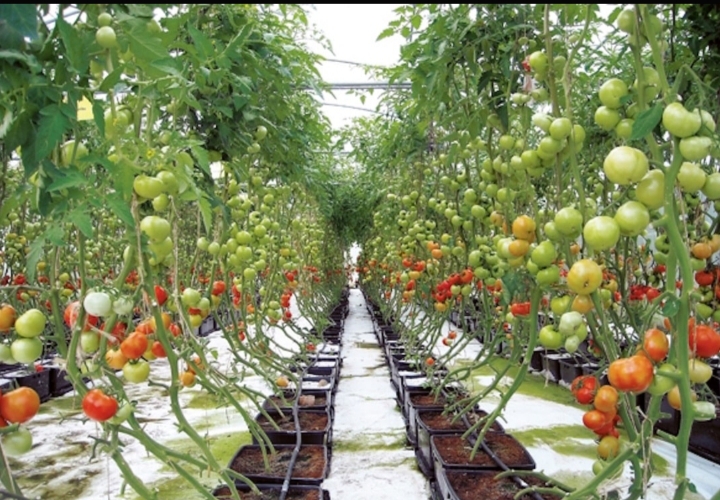
Hydroponics involves cultivating plants without the use of soil, instead supplying nutrients directly to the roots through water-based solutions. This method enables farmers to grow crops like lettuce, spinach, tomatoes, and peppers in controlled settings, often achieving quicker growth and increased productivity. In crowded urban areas where land is limited, hydroponics makes it possible to farm in compact spaces such as rooftops, greenhouses, and small plots.
Aquaponics takes this concept a step further by integrating fish farming with plant cultivation. In this system, waste produced by fish serves as a natural fertilizer for the plants, while the plants, in turn, purify the water for the fish. This mutually beneficial cycle creates a balanced and efficient farming environment. In Nigeria, commonly used fish species include catfish and tilapia, which adapt well to local conditions.
A key advantage of both systems is their efficient use of water. As water scarcity and unpredictable rainfall become more pressing issues, hydroponics and aquaponics offer a reliable solution by recycling water and minimizing waste. This makes them especially suitable for areas with limited water resources.
Another important benefit is the ability to grow vegetables throughout the year. Unlike traditional farming, which depends on seasonal changes, these systems provide a controlled environment that supports continuous production. This leads to a consistent supply of fresh produce and helps reduce fluctuations in market prices.
However, there are challenges to widespread adoption. The cost of setting up these systems can be relatively high, which may discourage small scale farmers. Additionally, managing them requires technical skills and proper training. Limited awareness and access to necessary resources also hinder their growth.
Despite these obstacles, the outlook is encouraging. More young people, agribusiness startups, and government programs are showing interest in these modern farming methods. As knowledge spreads and technology becomes more affordable, adoption is expected to increase.
Overall, hydroponics and aquaponics present a valuable opportunity to improve vegetable farming in Nigeria. By boosting efficiency, conserving resources, and supporting urban agriculture, they offer a sustainable solution for the future. As Nigeria continues to address food security and economic development, these innovative systems are likely to play an increasingly important role.