
Introduction
Healthy soil is the foundation of productive vegetable gardens. In Nigeria and many other parts of Africa, declining soil fertility has become a major agricultural challenge, leading to low yields and dependence on costly chemical fertilizers. One sustainable, affordable, and eco-friendly solution is the use of locally sourced compost. Composting transforms everyday organic waste into nutrient-rich soil amendments, improving soil structure, boosting fertility, and enhancing crop health.
This article explores how locally sourced compost can be made, its benefits for vegetable gardens, and its role in promoting sustainable farming practices.
1. What is Compost?
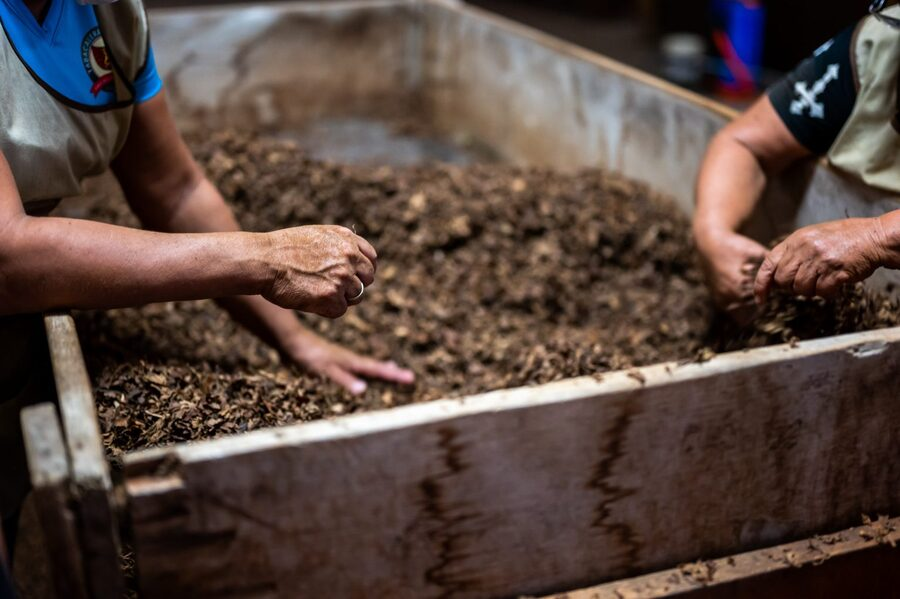
Compost is the product of the natural breakdown of organic matter—such as food scraps, crop residues, animal manure, and leaves—through microbial activity. The process transforms waste into a dark, crumbly, earthy-smelling substance rich in essential nutrients like nitrogen, phosphorus, and potassium, as well as beneficial microorganisms that rejuvenate the soil.
2. Why Compost is Vital for Vegetable Gardens
- Improves Soil Fertility
- Provides slow-release nutrients essential for vegetables like tomatoes, peppers, spinach, and okra.
- Reduces dependency on chemical fertilizers.
- Enhances Soil Structure
- In sandy soils: improves water retention.
- In clay soils: increases aeration and drainage.
- Boosts Microbial Life
- Encourages beneficial organisms like earthworms and fungi, which help break down organic matter and protect plants from diseases.
- Supports Sustainable Agriculture
- Reduces waste by recycling kitchen scraps, crop residues, and animal manure.
- Cuts down greenhouse gas emissions from open waste dumping.
- Increases Yields and Plant Health
- Vegetables grown with compost are often more resilient to pests and diseases.
- Enhances flavor and nutritional quality of produce.
3. Local Sources of Composting Materials
Farmers and households can easily access composting materials within their environment. Common local sources include:
- Crop residues: maize stalks, rice husks, groundnut shells, yam peels.
- Animal manure: poultry droppings, goat dung, cow manure.
- Kitchen waste: fruit peels, vegetable scraps, leftover food (excluding meat and oily foods).
- Garden waste: dry leaves, grass clippings, weeds.
- Agro-industrial by-products: cassava peels, palm kernel cake, sugarcane bagasse.
- Ash and charcoal dust: provides minerals like potassium and calcium.
These locally available materials reduce the cost of soil fertility management while ensuring sustainability.
4. Methods of Making Compost
a. Pit Method
- Dig a pit about 1–1.5 meters deep.
- Layer organic waste (crop residues, manure, kitchen scraps) with soil and ash.
- Water regularly to maintain moisture.
- Turn the compost every 2–3 weeks to aerate.
- Compost matures in 2–3 months.
b. Heap Method
- Build a heap of organic matter in layers above ground.
- Cover with soil or leaves to retain moisture.
- Turn the heap regularly.
- Suitable where digging pits is not feasible.
c. Basket or Container Method
- Place waste materials in baskets, drums, or buckets.
- Add kitchen scraps daily and sprinkle with ash to reduce odor.
- Ideal for households with limited space.
d. Vermicomposting (Advanced Method)
- Uses earthworms to break down organic matter faster.
- Produces highly nutritious compost (vermicompost).
- Requires training and careful handling.
5. Best Practices for Composting
- Maintain the right balance: Mix “green” materials (fresh leaves, food waste, manure—rich in nitrogen) with “brown” materials (dry leaves, stalks, sawdust—rich in carbon). A carbon-to-nitrogen ratio of about 30:1 is ideal.
- Keep it moist but not waterlogged: Composting organisms thrive in damp conditions.
- Turn regularly: Provides oxygen for microbes and prevents foul odors.
- Cover: Use banana leaves, plastic sheets, or soil to prevent excess rainwater from spoiling the compost.
6. Applying Compost in Vegetable Gardens
- As basal application: Mix compost into the soil before planting.
- As top dressing: Spread around the base of growing vegetables like cabbage, tomato, and peppers.
- As compost tea: Soak compost in water for 2–3 days and use the liquid to water crops for a nutrient boost.
- For nursery beds: Use fine compost as part of the seed-starting mix.
7. Challenges and Solutions in Using Compost
- Slow decomposition in dry climates: Add more green materials and water regularly.
- Odor problems: Caused by too much water or imbalance; fix by adding dry leaves or ash.
- Limited awareness: Many smallholder farmers lack knowledge; solution is community training.
- Labor intensive: Requires effort in turning and monitoring, but benefits outweigh the costs.
8. Role of Compost in Sustainable Farming and Food Security
- Reduces dependence on imports: Farmers spend less on chemical fertilizers.
- Promotes climate resilience: Compost improves soil water retention, helping crops survive drought.
- Supports organic farming: Essential for producing chemical-free vegetables.
- Encourages circular economy: Turns waste into wealth at household and community levels.
Conclusion
Locally sourced compost is more than a soil amendment—it is a sustainable farming solution that addresses soil fertility, waste management, and food security. For vegetable gardens in Nigeria and across Africa, composting ensures healthier soils, higher yields, and more nutritious produce while protecting the environment. By tapping into locally available organic materials and adopting simple composting methods, farmers and households can transform waste into wealth and secure a greener agricultural future.