Water management is vital for growing healthy and productive vegetables. These crops are highly sensitive to water availability, and both under- and over-irrigation can reduce growth, yield, and quality. Effective irrigation management ensures that plants receive the right quantity of water at the right time, supporting optimal growth and high quality harvests.
1. Why Irrigation Management Is Important
Vegetables typically have shallow roots and high water demands, making consistent moisture essential. Proper irrigation management helps to:
- Keep soil moisture at optimal levels.
- Promote uniform and vigorous plant growth.
- Prevent water stress and nutrient deficiencies.
- Reduce the risk of pests and diseases.
- Maximize water use efficiency and conserve resources.
2. Factors Influencing Water Requirements
Several factors determine how much water vegetables need:
- Type of crop: Leafy vegetables like lettuce need more frequent watering than root crops like carrots.
- Soil characteristics: Sandy soils drain quickly and need frequent irrigation, whereas clay soils hold moisture longer.
- Climate: Hot, dry conditions increase water demand, while humid or rainy conditions reduce it.
- Growth stage: Young seedlings need light, frequent watering, while mature plants benefit from deeper, less frequent watering.
- Irrigation method: The efficiency varies depending on whether you use drip, sprinkler, or surface irrigation.
3. Common Irrigation Methods
a. Surface Irrigation:
- Water flows over the soil to reach plant roots.
- Simple and inexpensive but can lose water through runoff and evaporation.
- Suitable for crops like tomatoes, onions, and cucumbers in larger fields.
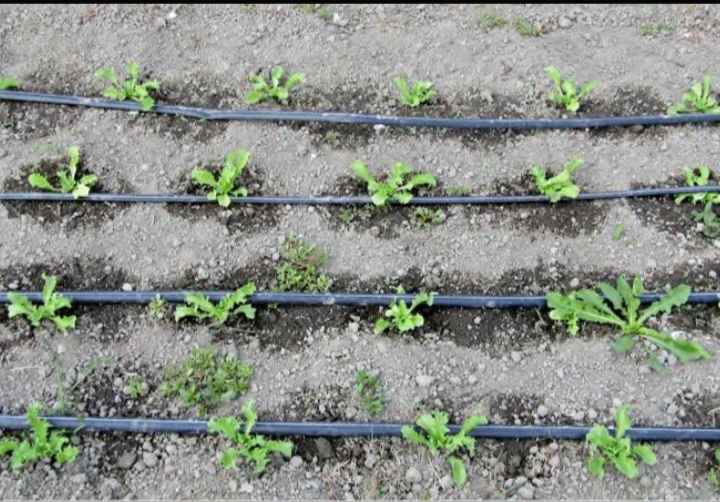
b. Drip Irrigation:
- Delivers water directly to the root zone through pipes and emitters.
- Highly water-efficient and reduces weed growth.
- Perfect for high-value crops like peppers, tomatoes, and leafy greens.
c. Sprinkler Irrigation:
- Sprays water over plants like rainfall.
- Works well on uneven fields or sandy soils but may increase the risk of fungal diseases.
d. Subsurface Irrigation:
- Supplies water below the soil surface directly to roots.
- Reduces evaporation and ensures consistent moisture.
4. Scheduling Irrigation
Applying water at the right time and in the right amount is critical:
- Monitor soil moisture: Use sensors or manual checks to determine if watering is needed.
- Adjust by growth stage:
- Seedlings: Light, frequent watering.
- Vegetative stage: Moderate, consistent watering.
- Flowering and fruiting: Deep watering to support fruit development.
- Consider weather: Adjust irrigation based on rainfall, temperature, and humidity.
- Account for evapotranspiration: Water lost from soil and plants should be replaced to maintain optimal moisture.
5. Tips for Effective Irrigation
- Apply mulch to reduce evaporation and maintain soil moisture.
- Avoid overwatering to prevent root diseases and nutrient leaching.
- Combine irrigation with fertilization (fertigation) for better efficiency.
- Regularly inspect irrigation systems for leaks or blockages.
- Plant crops with similar water needs together for uniform irrigation.
Conclusion
Proper irrigation management is essential for ensuring healthy vegetable growth, high yields, and water conservation. By choosing suitable irrigation methods, monitoring soil moisture, and timing watering correctly, farmers can support vigorous plant development while using water efficiently. Effective water management benefits both the crops and long-term agricultural sustainability