
Water conservation is one of the most important aspects of sustainable gardening and farming. Organic mulching is a simple, natural, and highly effective technique to retain soil moisture, regulate temperature, improve soil structure, and suppress weeds all while enriching the soil over time.This explores different organic mulching techniques, materials, application methods, and best practices to help you maximize soil moisture retention naturally.
What Is Organic Mulching?
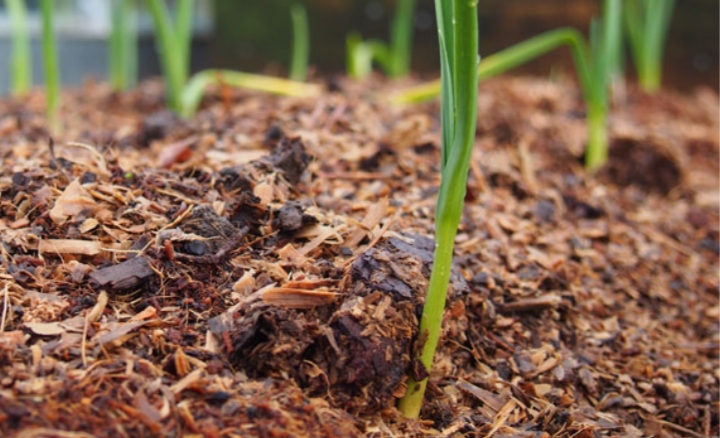
Organic mulching involves covering the soil surface around plants with natural materials such as straw, leaves, compost, bark, or grass clippings. Unlike synthetic mulches, organic mulches decompose over time, adding nutrients and improving soil health.
Key Benefits of organic mulching
1.Reduces evaporation from soil surface
2. Regulates soil temperature
3.Suppresses weed growth
4.Prevents soil erosion
5. Improves soil fertility and structure
6.Enhances microbial activity
Types of Organic Mulch for Moisture Retention
1. Straw Mulch: Best for, vegetable gardens, row crops Straw is lightweight, affordable, and highly effective at reducing evaporation. It creates air pockets that slow down water loss while allowing rain and irrigation to penetrate easily. Application Tips: Apply 2–4 inches thick, keep straw slightly away from plant stems, replenish as it decomposes
2. Dry Leaves (Leaf Mulch):Best for:Flower beds, trees, shrubs.Shredded leaves form a moisture-retaining layer that slows evaporation and enriches soil as they decompose.
Application Tips: Shred leaves to prevent matting, Apply 2–3 inches thick.Mix with compost for faster breakdown
3. Compost Mulch: Best for: Nutrient-demanding crops.Compost acts as both mulch and fertilizer. It enhances water-holding capacity by improving soil organic matter content.
Application Tips:Spread 1–2 inches on soil surface. Reapply during growing season. Combine with straw for extended coverage
4. Wood Chips and Bark: Best for: Trees, pathways, perennial beds.Wood chips break down slowly and provide long-term moisture retention. They are ideal for orchard systems and landscaping.
Application Tips: Apply 3–5 inches thick.Keep 2–3 inches away from tree trunks. Avoid mixing directly into soil.
5. Grass Clippings:Best for,home gardens.Grass clippings are rich in nitrogen and readily available. When dried slightly before use, they create a moisture-sealing layer.
Application Tips:Apply in thin layers (1–2 inches). Allow clippings to dry before spreading.Avoid chemically treated lawns
Best Practices for Maximum Moisture Retention
- Apply mulch after Irrigation always water soil deeply before applying mulch to trap moisture underneath.
- Maintain Proper Thickness.Too thin → Ineffective. Too thick → Poor aeration
- Avoid Stem Contact keep mulch slightly away from plant stems to prevent rot.
- Replenish Regularly Organic mulch decomposes and needs seasonal replacement.
How Organic Mulch Retains Soil Moisture
Organic mulch works by:Blocking direct sunlight from hitting soil. Reducing soil temperature fluctuations. Minimizing wind exposure. Improving soil structure and water-holding capacity Over time, decomposed mulch increases organic matter, allowing soil to absorb and retain more water naturally.
Organic mulching is one of the most effective, eco-friendly methods to conserve soil moisture and improve soil health. Whether using straw, leaves, compost, wood chips, or living mulch, the key lies in proper application and maintenance.By adopting organic mulching techniques, gardeners and farmers can:Reduce irrigation needs, Improve crop resilience, enhance soil fertility, promote sustainable agriculture with minimal cost and effort, organic mulching transforms soil into a moisture-retaining, nutrient-rich growing environment that supports long-term productivity.