
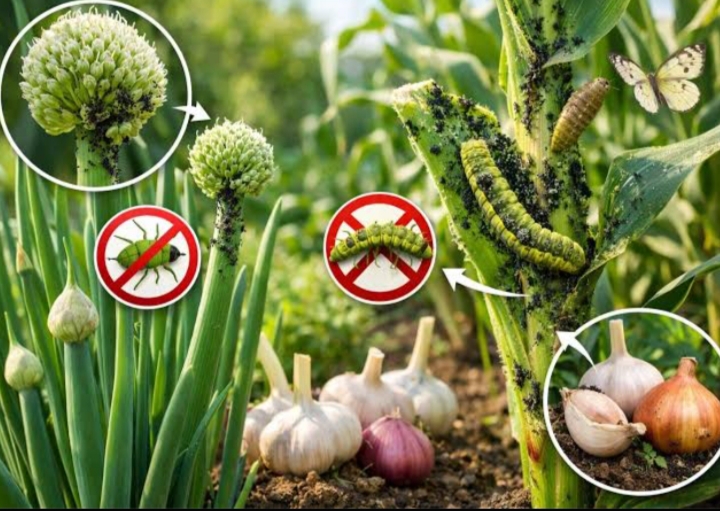
Agriculture today faces the ongoing challenge of protecting crops from pests while maintaining environmental health. Heavy dependence on chemical pesticides has led to problems such as pest resistance, soil degradation, water contamination, and harm to beneficial insects. As a result, many farmers are turning to natural pest control methods that promote sustainability and long-term productivity.
Biological Control: Using Natural Predators
Biological control involves managing pests by introducing or encouraging their natural enemies. Predatory insects such as ladybugs, lacewings, and certain beetles feed on common crop pests like aphids and mites. Parasitic wasps help control caterpillars and other destructive larvae.By creating habitats that attract these beneficial organisms such as planting flowering borders and reducing chemical use farmers can maintain natural pest balance. This approach reduces reliance on synthetic pesticides and supports a healthier farm ecosystem.
Crop Rotation and Diversification
Planting the same crop season after season often allows pests to thrive because their food source remains constant. Crop rotation disrupts pest life cycles by changing the type of crop grown in a particular field each season. For example, alternating cereals with legumes can significantly reduce pest populations.
Intercropping and polyculture systems, where different crops are grown together, also help limit pest spread. These practices improve soil fertility and create a more resilient farming system.
Botanical and Organic Sprays
Natural plant based sprays offer another eco-friendly solution. Products derived from plants such as neem contain compounds that interfere with insect growth and feeding. Homemade solutions made from garlic, chili, or mild soap can help repel or manage soft-bodied insects like aphids and whiteflies.
Although these treatments are generally safer for the environment, they should still be applied carefully and according to recommended guidelines to ensure effectiveness.
Habitat Management and Physical Controls
Farm design plays an important role in pest control. Installing bird perches can attract insect-eating birds, while row covers and insect nets physically block pests from reaching crops. Pheromone traps can also be used to monitor and control insect populations.
Maintaining healthy soil through composting and organic matter addition strengthens plant immunity, making crops less vulnerable to pest attacks.
Integrated Pest Management (IPM)
Integrated Pest Management combines various natural strategies into a comprehensive approach. It emphasizes monitoring pest levels, correctly identifying pests, and using preventive methods before resorting to treatments. When control measures are necessary, environmentally friendly options are prioritized.
IPM reduces environmental impact while maintaining crop yields, making it a practical and sustainable solution for modern farming.
Natural pest control methods provide farmers with effective alternatives to chemical pesticides. By encouraging beneficial organisms, diversifying crops, using plant-based treatments, and improving farm ecosystems, farmers can protect both their harvests and the environment. Sustainable agriculture depends on working in harmony with nature, ensuring productivity today while preserving resources for future generations.