
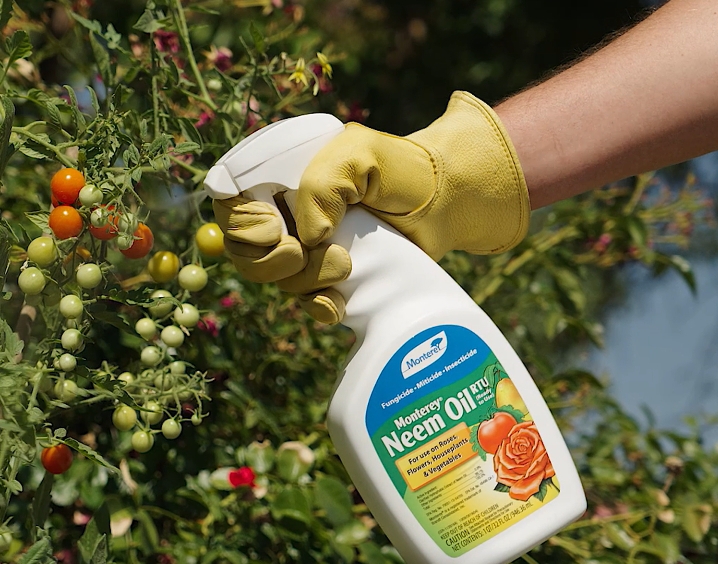
With increasing awareness about the environmental and health risks linked to chemical pesticides, many growers are exploring safer, plant-based options. Neem oil has emerged as a reliable alternative, valued for its ability to control pests while being less harmful to beneficial organisms when used properly.
What Neem Oil Is
Neem oil is derived from the seeds of the neem tree, known scientifically as Azadirachta indica. This tree has long been valued in agriculture due to its natural protective properties. The oil contains active compounds, especially azadirachtin, which play a key role in managing pest populations.
How It Controls Pests
Rather than killing insects instantly, neem oil works by disrupting their biological processes. It affects feeding habits, growth, and reproduction, gradually reducing pest numbers over time. Insects exposed to neem oil often lose their ability to feed and eventually die.
This makes neem oil a selective option. It primarily targets plant-damaging pests like aphids, mites, whiteflies, and mealybugs, while posing less risk to helpful insects such as bees and ladybugs when applied with care.
Advantages of Neem Oil
One major benefit of neem oil is its environmental safety. It breaks down quickly, which limits long-term damage to soil and water. This quality makes it suitable for organic farming and home gardening.
Neem oil is also multifunctional. In addition to controlling insects, it can help manage certain plant diseases, including fungal infections like powdery mildew.
Another advantage is that pests are less likely to build resistance to neem oil, making it effective over extended use.
Best Practices for Application
For effective use, neem oil should be mixed with water and sprayed onto plants. Ensuring full coverage, including the undersides of leaves, is important since pests often hide there.
Applying it during cooler parts of the day, such as early morning or evening, helps prevent plant damage and reduces exposure to pollinators.
Consistent application is usually needed to achieve the best results.
Safety and Precautions
Although neem oil is safer than many synthetic pesticides, it still requires careful handling. Applying too much can damage plants, and direct contact with beneficial insects should be avoided.
Testing the mixture on a small section of the plant before full use is recommended to check for any adverse reactions.
Drawbacks to Consider
Neem oil does not provide immediate results, as its effects take time to become noticeable. It may also be less effective against larger or more resilient insects.
Additionally, because it can be washed away by rain, repeated applications may be necessary.
Final Thoughts
Neem oil is a sustainable and effective alternative to traditional pesticides. Its selective action and low environmental impact make it a valuable tool for maintaining plant health while preserving beneficial insects. When applied properly, it supports a balanced and eco-friendly approach to pest control.