
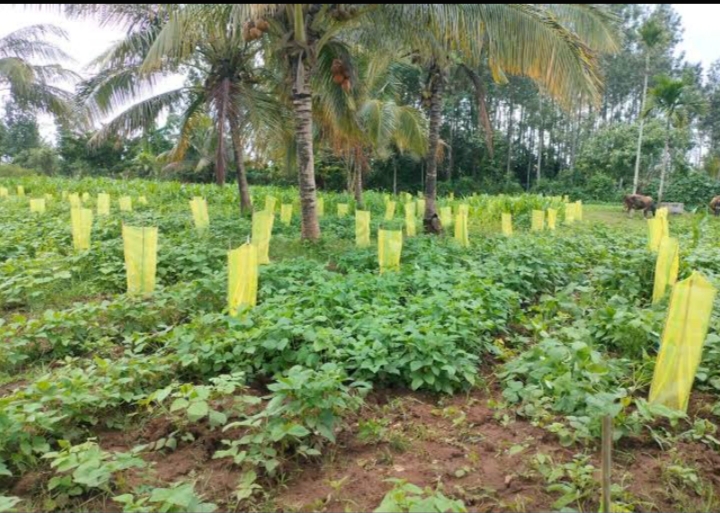
Organic agroforestry is a sustainable agricultural practice that blends trees, crops, and sometimes livestock on the same piece of land while relying on natural inputs instead of synthetic chemicals. This approach is becoming increasingly popular, especially in tropical and subtropical areas, as it helps improve soil fertility, increase productivity, and provide farmers with additional sources of income while protecting the environment.
Understanding Organic Agroforestry
This system combines organic farming principles such as avoiding artificial fertilizers and pesticides with the benefits of integrating trees into farming. Crops are grown alongside various types of trees, including fruit-bearing, timber, and nitrogen-fixing species. These trees contribute nutrients, provide shade, and add organic matter to the soil.
By imitating natural ecosystems where diverse plant species coexist, organic agroforestry creates a more stable and balanced farming environment.
Benefits for Soil Quality
A major advantage of organic agroforestry is its ability to enhance soil health. Tree roots help stabilize the soil and prevent erosion, which is particularly important in regions with heavy rainfall. Leaves and other organic materials that fall from trees decompose and enrich the soil, improving its structure and its ability to retain moisture.
Nitrogen-fixing trees play an especially important role by naturally increasing soil fertility, reducing the need for external inputs and supporting sustainable crop production.
Supporting Biodiversity and Natural Processes
Organic agroforestry encourages a rich variety of plant and animal life. The presence of trees creates habitats for birds, insects, and beneficial microorganisms. This biodiversity helps control pests naturally and supports pollination, leading to better crop yields.
Trees also help moderate temperatures and create favorable microclimates for crops. In addition, they absorb carbon dioxide, contributing to efforts to reduce climate change.
Income Opportunities for Farmers
In addition to environmental benefits, organic agroforestry provides economic advantages. Farmers can earn income from multiple sources, including fruits, nuts, timber, and medicinal plants, alongside their main crops. This diversification reduces financial risk and improves livelihood stability.
Over time, trees themselves become valuable resources. Products like timber and fruits can generate significant revenue, and organic certification may open access to premium markets where higher prices are offered.
Adapting to Climate Challenges
Farms that use organic agroforestry are generally more resilient to climate change. Trees improve soil moisture retention, helping crops withstand dry periods. They also offer protection against heavy rains and strong winds.
This increased resilience is particularly beneficial for small-scale farmers who are more vulnerable to environmental changes.
Limitations and Practical Considerations
Despite its advantages, organic agroforestry can be challenging to implement. It requires time, effort, and initial investment to establish. Farmers may also need training to effectively manage the interactions between trees and crops.
If not carefully planned, trees can compete with crops for sunlight, water, and nutrients. Therefore, proper design, species selection, and spacing are essential for maintaining productivity.
Conclusion
Organic agroforestry is a promising approach to sustainable farming that improves soil health, supports biodiversity, and enhances farmers’ incomes. By integrating trees into organic farming systems, it is possible to create productive and environmentally friendly agricultural landscapes. With increased awareness and support, this method has the potential to reshape agriculture into a more resilient and profitable system.