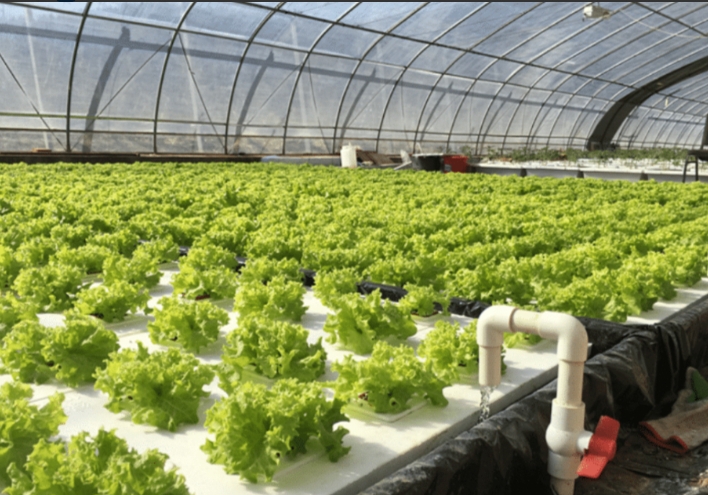
Managing pH is a critical part of successful hydroponic farming. Because plants are grown without soil, they depend entirely on a nutrient solution for their minerals. If the pH is not properly maintained, plants may be unable to absorb nutrients effectively, even when those nutrients are present.
Understanding pH in Hydroponics
pH indicates how acidic or alkaline a solution is, using a scale from 0 to 14. A value of 7 is neutral, numbers below 7 are acidic, and those above 7 are alkaline.
In hydroponic systems, pH influences how nutrients behave in water and how easily roots can take them in. Maintaining the correct pH ensures that plants can access the nutrients they need for healthy growth.
Recommended pH Range
Most plants grown hydroponically perform best in a slightly acidic environment. A pH range between 5.5 and 6.5 is generally ideal.
Keeping the pH within this range allows nutrients to remain available. Minor variations are normal and can even support better absorption of different nutrients at different points.
Effect of pH on Nutrients
Each nutrient is absorbed most efficiently within a specific pH range. When pH levels move too far in either direction, some nutrients become difficult for plants to absorb.
For instance, iron becomes less available in alkaline conditions, while calcium and magnesium may be harder to absorb if the solution is too acidic. This situation, where nutrients are present but cannot be used, is commonly known as nutrient lockout.
Why pH Levels Change
pH levels in a hydroponic system can shift for several reasons. Plants absorb nutrients at different rates, which can alter the balance of the solution. The type and quality of water used can also play a role, as well as the composition of the nutrient mix. Environmental conditions like temperature and light may further influence these changes.
Because of these factors, pH levels need regular attention rather than a one-time adjustment.
Measuring pH
To maintain proper control, growers must measure pH accurately. Digital pH meters are widely used because they provide quick and precise readings. Test strips and liquid kits are also available, though they may be less exact.
Adjusting pH
When pH moves outside the desired range, it can be corrected using specific solutions. Acidic solutions are used to lower pH, while alkaline solutions raise it.
Adjustments should be done slowly to avoid sudden changes that could harm plants. After each adjustment, the solution should be tested again to ensure it falls within the proper range.
Good Practices for pH Control
Regular monitoring is essential for keeping pH stable. Checking levels frequently helps catch changes early. It is also important to calibrate measuring tools, mix nutrients properly before testing, and keep the system clean.
Replacing the nutrient solution periodically helps maintain balance, and keeping simple records can make it easier to track patterns over time.
Common Challenges
Some growers experience frequent pH fluctuations, which may be linked to water quality or system imbalances. Others may notice consistently high or low pH levels, often caused by the type of water or nutrient solution being used.
Addressing these issues usually involves improving water quality, adjusting nutrient mixes, or cleaning the system more regularly.
Conclusion
Proper pH management is essential for effective hydroponic cultivation. When pH is kept within the right range, plants can absorb nutrients efficiently and grow well. With consistent monitoring and careful adjustments, maintaining the correct pH becomes a routine part of hydroponic farming, leading to healthier plants and better yields.