
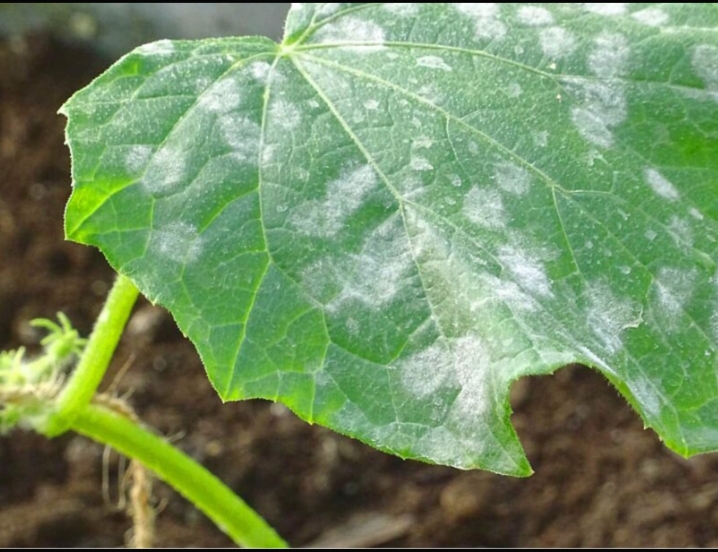
Powdery mildew is a frequent challenge for gardeners growing cucumbers organically. Since synthetic fungicides aren’t used in organic systems, prevention becomes the most effective strategy. By selecting the right varieties and following proper growing practices, you can significantly reduce the risk of infection and maintain healthy, productive plants.
Understanding Powdery Mildew
Powdery mildew is a fungal disease that shows up as a white, dusty coating on cucumber leaves and stems. If left unchecked, it can:
Interfere with photosynthesis
Cause leaves to yellow and dry out
Reduce overall yield
Shorten the plant’s lifespan
It commonly develops in warm temperatures combined with humid conditions and poor airflow. Taking early preventive action is far easier than trying to control an established outbreak.
- Select Disease-Resistant Varieties
One of the most reliable ways to prevent powdery mildew is to plant resistant cucumber varieties. Many modern seeds are bred with resistance in mind.
- Look for labels such as:
- PMR (Powdery Mildew Resistant)
- Disease-resistant hybrids
Starting with resistant plants provides a strong foundation for disease prevention.
- Grow in Full Sunlight
Cucumbers thrive in bright, direct sunlight. Aim for at least 6–8 hours per day. Adequate sun exposure helps:
Keep foliage dry
Lower humidity around plants
Discourage fungal growth
Avoid shaded planting areas where moisture lingers.
- Allow Proper Spacing
Overcrowded plants trap humidity and restrict airflow, creating favorable conditions for fungal diseases.
General spacing recommendations:
12–18 inches apart for compact types
24–36 inches apart for vining varieties
Better air circulation helps keep leaves dry and reduces disease pressure.
- Use Trellises or Vertical Supports
Growing cucumbers vertically instead of allowing them to spread on the ground can greatly reduce disease risk. Benefits include:
Improved airflow
Drier foliage
Less contact with soil
Easier monitoring for early symptoms
Vertical growing is especially helpful in humid climates.
- Water Carefully
Although powdery mildew doesn’t require standing water to spread, excess moisture around leaves increases overall humidity.
For best results:
Water at the base of the plant
Use drip irrigation or soaker hoses
Water in the morning
This allows foliage to remain dry throughout the day.
- Maintain Healthy Soil
Strong plants are naturally more resistant to disease. Improve soil quality by:
Adding compost before planting
Ensuring good drainage
Avoiding excessive nitrogen fertilizers
Balanced nutrition promotes sturdy growth and stronger natural defenses.
- Apply Preventative Organic Treatments
If powdery mildew is common in your area, begin preventative treatments early even before symptoms appear.
Common organic options include:
- Baking Soda Solution:Mix baking soda with water and a small amount of liquid soap. Spray weekly to help prevent fungal growth.
- Milk Spray: Dilute milk with water and apply every 7–10 days in sunny conditions.
- Neem Oil: Organic neem oil can slow early infections. Apply in the evening to prevent leaf damage.
Preventative treatments are most effective when used consistently and early in the season.
- Remove Infected Leaves Promptly
Inspect plants regularly for signs of powdery patches. If detected:
Prune affected leaves immediately
Dispose of them properly
Clean tools after use
Quick action helps stop the disease from spreading.
- Rotate Crops Each Season
Avoid planting cucumbers or other related crops (such as squash or melons) in the same area every year. A 2–3 year crop rotation plan helps minimize lingering fungal spores in the soil.
- Clean the Garden After Harvest
At the end of the growing season:
Remove plant debris
Discard infected material
Sanitize supports and tools
Proper cleanup reduces the chance of reinfection the following year.
Preventing powdery mildew in organic cucumbers requires thoughtful planning and consistent care. Choosing resistant varieties, providing adequate sunlight and spacing, improving airflow, maintaining soil health, and applying early preventative treatments all work together to reduce risk.
With these proactive steps, you can enjoy healthy cucumber plants and a productive harvest—naturally and organically.