
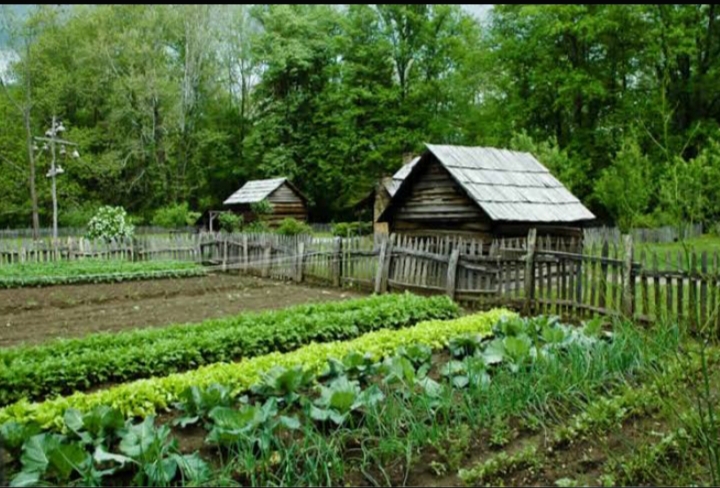
Agricultural land is essential for food production, but it also serves as an important habitat for a wide variety of living organisms. As farming continues to expand and intensify to meet the needs of a growing population, natural ecosystems are often disrupted, placing many species at risk. Preserving biodiversity within these areas is critical, not only for environmental health but also for the sustainability of agriculture itself.
Biodiversity in farming environments includes plants, animals, insects, and microorganisms that all play important roles in maintaining ecological balance. Pollinators like bees and butterflies, along with birds, soil organisms, and natural predators of pests, contribute to healthier farming systems. These organisms support key processes such as pollination, nutrient cycling, and pest regulation, which ultimately improve crop productivity.
One of the biggest threats to biodiversity in agriculture is the loss of natural habitats. The widespread practice of monoculture growing a single crop over large areas reduces the variety of species that can thrive. In addition, the excessive use of chemical fertilizers and pesticides harms beneficial organisms and disrupts natural ecosystems.
To combat these issues, farmers can adopt more sustainable and biodiversity-friendly practices. One such approach is Agroecology, which emphasizes working with natural processes rather than against them. This method promotes crop diversity, improves soil health, and encourages the use of natural pest control techniques.
Preserving natural features within farmland is another effective strategy. Elements such as hedgerows, wetlands, forest patches, and grassy margins provide shelter and food for wildlife. These spaces also act as pathways that allow species to move across the landscape, supporting ecosystem stability and genetic diversity.
Limiting the use of harmful chemicals is equally important. The Integrated Pest Management approach focuses on controlling pests through biological and environmentally friendly methods instead of relying heavily on pesticides. This helps protect beneficial species and reduces environmental harm.
Practices like crop rotation and intercropping further enhance biodiversity. Alternating crops or growing different species together can improve soil quality, reduce pest outbreaks, and create more diverse habitats. These methods also contribute to more stable and productive farming systems over time.
Healthy soil is at the heart of biodiversity conservation. Soil is home to a vast number of microorganisms that are essential for plant growth and nutrient cycling. Techniques such as reduced tillage, compost use, and planting cover crops help maintain soil structure and support this hidden ecosystem.
Support from communities and governments also plays a vital role. Policies, education, and incentives can encourage farmers to adopt sustainable practices that protect biodiversity. Empowering local farmers and promoting environmentally responsible agriculture can lead to meaningful, long-term change.
In summary, conserving biodiversity in agricultural landscapes is essential for both ecological balance and food security. By adopting sustainable farming methods, protecting natural habitats, and reducing harmful inputs, agriculture can function in harmony with nature. This approach not only benefits the environment but also ensures more resilient and productive farming systems for the future.