
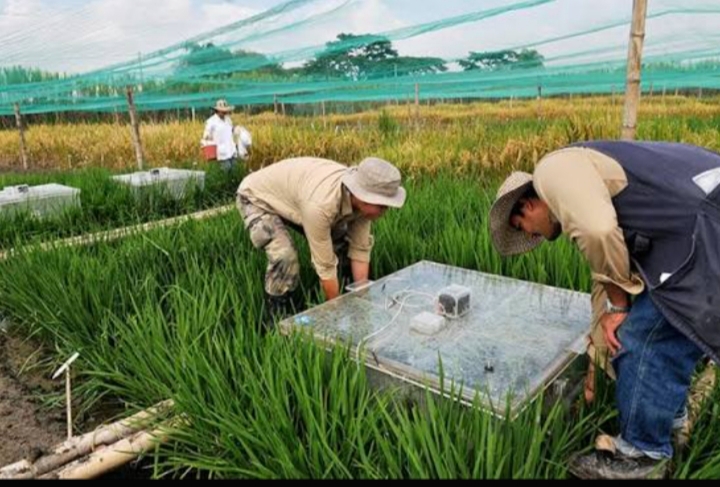
Agriculture in tropical regions is essential for feeding populations, supporting livelihoods, and driving economic growth. However, it is also a major source of greenhouse gas (GHG) emissions due to activities such as deforestation, soil mismanagement, livestock farming, and inefficient agricultural methods. With the growing impacts of climate change, lowering emissions from this sector has become increasingly important for both environmental sustainability and development.
Main Sources of Emissions
The primary greenhouse gases released in tropical agriculture are carbon dioxide (CO₂), methane (CH₄), and nitrous oxide (N₂O). Carbon dioxide is mainly produced when forests are cleared for farming or grazing. Methane emissions largely come from livestock digestion and flooded rice fields, while nitrous oxide is emitted due to overuse of nitrogen fertilizers and poor soil practices.
In many tropical areas, these emissions are intensified by practices such as slash-and-burn farming, limited use of modern inputs, and lack of access to improved technologies. Rapid population growth and rising food demand also increase pressure on land, encouraging unsustainable farming systems.
Improving Land Use Practices
Adopting better land management strategies is a key way to reduce emissions. Agroforestry—combining trees with crops and animals—can store carbon, improve soil quality, and support biodiversity. Conservation agriculture techniques like reduced tillage, crop rotation, and the use of cover crops help retain soil carbon and minimize reliance on chemical fertilizers.
Preventing deforestation is equally important. Encouraging forest conservation and restoring degraded lands can greatly cut carbon emissions. Providing farmers with secure land ownership can also motivate them to adopt long-term sustainable practices.
Adopting Climate-Smart Approaches
Climate-smart agriculture focuses on boosting productivity, strengthening resilience to climate change, and lowering emissions. In tropical settings, this includes using improved crop varieties that tolerate drought and need fewer inputs, as well as applying water-efficient irrigation methods and better nutrient management.
Although not yet widespread in many tropical regions, precision farming can help farmers apply fertilizers more efficiently, reducing emissions. Organic farming and biofertilizers also provide greener alternatives to chemical inputs.
Enhancing Livestock and Rice Farming
Livestock farming is a significant contributor to methane emissions. These can be reduced through improved animal diets, selective breeding, and better manure handling. Certain feed supplements can also help lower methane production in animals.
In rice farming, methods like alternate wetting and drying (AWD) can reduce methane emissions compared to traditional continuous flooding, while also saving water.
Role of Policies and Institutions
Strong government policies and institutional support are crucial for reducing emissions. This includes providing incentives, training, and financial assistance to farmers. Agricultural extension services are important for spreading knowledge and encouraging the use of sustainable practices.
Global collaboration is also necessary. Financial tools such as carbon credit systems and climate funds can help developing countries adopt low-emission farming methods. Cooperation among governments, researchers, and private organizations can further drive innovation.
Barriers and Future Potential
There are still obstacles to overcome, including limited access to resources, lack of awareness, and financial challenges. Many smallholder farmers focus on short-term needs, making it difficult to invest in sustainable solutions.
Despite these challenges, there are significant opportunities. Sustainable agricultural practices can increase productivity, improve food security, and support economic development while reducing environmental impact. With the right support systems in place, tropical agriculture can shift from being a major source of emissions to a key part of the climate solution.
Conclusion
Lowering greenhouse gas emissions in tropical agriculture is both necessary and achievable. Through improved land management, better farming techniques, and supportive policies, tropical regions can reduce their environmental footprint. This transition will not only help combat climate change but also create more resilient and efficient agricultural systems for the future.