
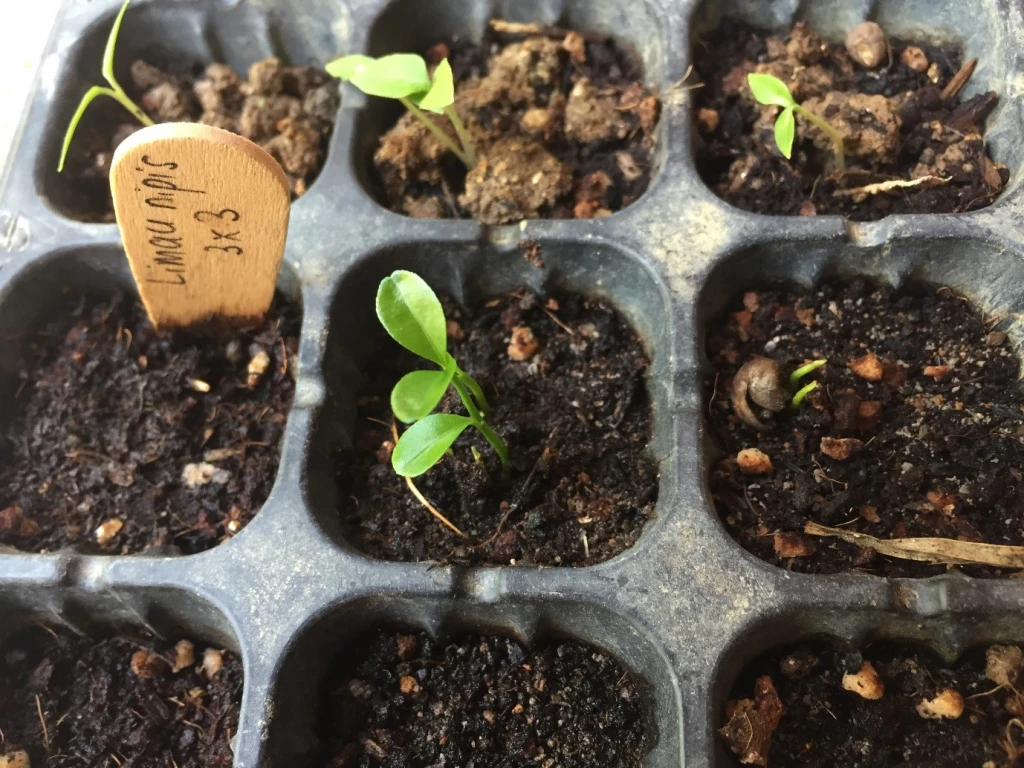
Fruit trees play an essential role in global agriculture, food security, and environmental sustainability. Beyond providing fresh produce, they contribute to biodiversity, carbon sequestration, and cultural heritage. One of the most effective ways to preserve and expand this diversity is through seed propagation.
While many fruit trees are grown through grafting or vegetative propagation, seed-based propagation methods remain vital for introducing genetic variation, developing new cultivars, and maintaining resilient ecosystems. In this article, we’ll explore the importance of seed propagation, key methods, and how they support fruit tree diversity.
Why Seed Propagation Matters for Fruit Tree Diversity
- Genetic Variation
- Each seed carries a unique genetic combination, allowing for natural adaptation and new traits.
- This variation strengthens fruit tree populations against pests, diseases, and climate challenges.
- Conservation of Rare Varieties
- Many indigenous and traditional fruit trees risk being lost due to monocropping.
- Seed propagation helps preserve heritage species for future generations.
- Cost-Effectiveness
- Growing from seeds is generally cheaper than grafting or tissue culture methods, making it accessible for small-scale farmers.
- Environmental Benefits
- Diverse fruit tree populations promote pollinator health, soil fertility, and ecosystem resilience.
Common Seed Propagation Methods for Fruit Trees
1. Direct Sowing
- Seeds are planted directly into the ground or nursery beds.
- Best for hardy species like mango, guava, and jackfruit.
- Simple and low-cost but may result in uneven germination.
2. Pre-Germination Techniques
Some fruit seeds require special treatments before planting:
- Scarification: Scratching or weakening the seed coat (e.g., tamarind, locust bean).
- Stratification: Exposing seeds to cold or moist conditions to break dormancy (e.g., apple, pear).
- Soaking: Softening hard-coated seeds in water to improve germination (e.g., date palm, citrus).
3. Nursery Propagation
- Seeds are germinated in controlled nursery environments.
- Seedlings are later transplanted into orchards or fields.
- Provides better care during early growth and ensures higher survival rates.
4. Polyembryony in Citrus Seeds
- Some fruit trees (like citrus) produce seeds with multiple embryos.
- This allows propagation of genetically identical plants while maintaining diversity through zygotic seedlings.
5. Seedling Selection and Breeding
- Farmers or researchers grow multiple seedlings and select the healthiest, most productive, or disease-resistant individuals.
- Over time, this leads to the development of new cultivars adapted to local conditions.
The Role of Seed Propagation in Climate Adaptation
With climate change affecting rainfall patterns, temperatures, and pest populations, fruit tree diversity is more critical than ever.
- Seed-propagated trees adapt naturally to new environments, creating resilient populations.
- Local seed banks and community nurseries are helping farmers access diverse planting materials.
Best Practices for Seed Propagation
- Collect seeds from healthy, mature, and diverse parent trees.
- Store seeds properly (cool, dry, and pest-free environments).
- Use organic soil mixes rich in nutrients for nursery propagation.
- Protect young seedlings from excessive sunlight, pests, and diseases.
- Encourage farmer participation in seed exchange networks for wider genetic diversity.
Conclusion
Seed propagation methods are more than just farming techniques—they are a lifeline for fruit tree diversity, conservation, and resilience. By combining traditional knowledge with modern practices, farmers, researchers, and communities can preserve unique varieties, improve food security, and adapt to climate change.
Incorporating seed propagation into fruit tree development strategies ensures that future generations will continue to enjoy not only familiar fruits but also the richness of lesser-known varieties that make up our global biodiversity.
Disclaimer
This article is for educational and informational purposes only. The effectiveness of seed propagation methods may vary depending on species, environment, and cultivation practices. For large-scale farming or research purposes, it is recommended to consult with an agricultural extension officer, horticulturist, or seed propagation expert for tailored guidance.